
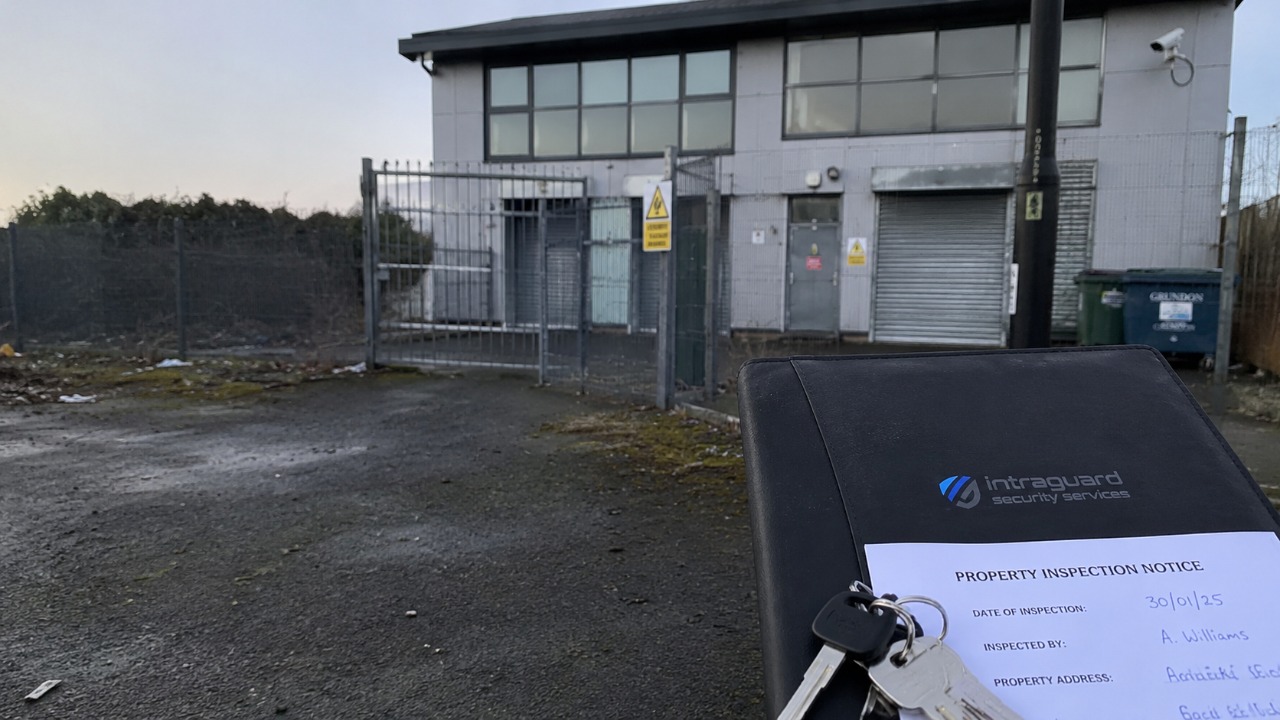
Vacant Property Management: A Complete Guide to Inspections, Risks and Protection
Vacant property management is the coordinated inspection, security, access control, maintenance escalation and reporting used to protect an unoccupied building.

If you run a business in the UK, you already know that protecting your site isn’t just a “nice to have”, it’s essential. Crime against businesses is rising, and criminals are becoming smarter, faster, and harder to catch. That’s exactly why mobile patrol officers have become one of the most in demand security solutions across the country.
Unlike static guarding alone, mobile patrol security services give you constant visibility, active deterrence, and flexible protection all without paying the full time cost of an on site team.
Think of them as the eyes and ears that never switch off.
Mobile patrol officers travel between multiple locations in marked or unmarked vehicles, performing scheduled and random security checks. Their job is simple but powerful: prevent crime before it happens.
A typical patrol includes:
This blend of visibility and unpredictability is what makes security patrol services so effective. Criminals never quite know when patrol officers will show up, and that alone reduces risk dramatically.
Businesses rely on security patrol services because they provide protection that static guards alone simply can’t match. Mobile patrols offer wider coverage across large sites, making it harder for criminals to find blind spots.
Their unpredictable patrol times act as a strong deterrent, as intruders never know when officers will appear. And in emergencies, mobile patrol officers can respond quickly, often arriving faster than traditional responders.
This is why many UK businesses combine CCTV, alarms, and security and patrol services for complete, 360 degree protection.
Let’s take a look at some of them:
The presence of a clearly marked patrol vehicle or uniformed officer instantly discourages unwanted activity. Criminals prefer easy, unmonitored targets, and mobile patrols create a constant reminder that the site is being watched.
Unlike CCTV, which only records incidents, patrol officers actively interrupt suspicious behaviour before it escalates.
When an alarm sounds in the middle of the night, a nearby patrol team can reach your premises much faster than remote responders.
Mobile patrol officers are trained to assess threats, secure the location, and call emergency services if required. These quick responses can stop minor issues from turning into expensive security breaches.
Whether you manage a boutique shop, a large distribution centre, or multiple industrial units, mobile patrols scale easily with your needs. You can increase patrols during busy seasons, add coverage for special events, or reduce frequency during quieter months, all without hiring additional staff.
It’s an affordable security model that maximises protection without high operating costs.
Security isn’t only about safeguarding assets; it’s about creating a safe environment for people. Mobile patrol officers support staff during late hours, assist with building openings and closings, and provide escorts across car parks when needed.
Their presence deters harassment and other unwanted behaviour, helping staff feel secure and improving overall workplace morale.
Many people confuse the two. Here’s the simplest breakdown:
Mobile patrols are ideal when you need flexibility, after hours visibility, and cost effective protection without compromising safety.
Static guards are best for:
Most businesses benefit from combining mobile patrol officers with static guards, creating a balanced, cost effective security strategy that strengthens overall protection.
Mobile patrols do far more than deter intruders; they offer operational support, risk prevention, and flexibility that traditional static systems can’t replicate. Their value extends well beyond basic site protection.
Today’s mobile patrol services use advanced tools like GPS tracking, digital check ins, and real time incident logs. This gives you a clear, accurate record of every patrol carried out on your property.
These reports can be used for audits, internal reviews, or understanding recurring risks on site. It’s a level of accountability that stands far above traditional manual reporting.
Mobile patrol officers are trained to spot more than suspicious behaviour. They keep an eye out for potential hazards such as fire risks, water leaks, overheating equipment, or unsafe working conditions.
By identifying these issues early, businesses can prevent small problems from turning into expensive emergencies.
Many professional security companies now combine patrol services with CCTV analytics, smart alarm systems, and mobile management platforms.
When an alert is triggered, a mobile officer can verify it in person, reducing false alarms and strengthening your site's overall defence. This layered approach blends the speed of technology with the reliability of on site human response.
Every site has unique risks, layouts, and weak spots, which is why mobile patrols are fully adaptable. They can be instructed to:
You can even request irregular or randomised patrols, making it unfathomable for anyone to predict when officers will arrive.
Choosing the right security setup depends on your site size, risk level, and operational needs.
Below is a quick comparison to help you understand how mobile patrol officers stack up against other security options.
Security Option | Strengths | Limitations | Best For |
Mobile Patrol Officers | Wide coverage, cost effective, visible deterrent, fast response | Not on site 24/7 | Medium to large sites, after hours protection |
Static Security Guards | Constant physical presence | Higher cost, limited coverage | Entrances, receptions, busy sites |
Technology Only Solutions (CCTV, alarms) | Affordable, automated | No physical deterrent, delayed response | Low risk locations |
Combination Approach | Maximum protection, layered defence | Needs planning and coordination | All businesses |
As you can see, each option has its strengths, but many businesses achieve the best results by combining multiple layers of protection. A blended approach creates a stronger, more reliable defence against modern security threats.
Mobile patrol officers offer a powerful mix of visibility, fast response, and wide area protection that modern businesses rely on. When combined with CCTV or alarms, they create a strong, proactive security framework that keeps sites safe around the clock.
If you need reliable, cost effective mobile patrol security services, Intraguard provides tailored patrol solutions, trained officers, and advanced reporting to protect your premises day and night.
With Intraguard, your business stays secure, supported, and always one step ahead of potential threats.
Don’t stop here, check out our latest blogs packed with actionable insights.
How AI CCTV Reduces Crime and Protects Your Business
The Cost of Hiring Security Guards in the UK: What to Expect in 2025
A mobile patrol officer performs scheduled and random security checks, responds to alarms, inspects buildings, and ensures your property stays protected at all hours.
Yes. Mobile patrols offer strong protection without the cost of full time static guards, making them ideal for after hours or low traffic periods.
Patrol frequency depends on your risk level and service plan. Most businesses choose multiple checks per night, combined with a reactive alarm response.
Absolutely. Patrol teams enhance your technology systems by providing physical intervention when an alarm or CCTV alert is triggered.
Yes. Many insurers offer lower premiums for properties protected by licensed security guard and patrol services due to reduced risk.
Vacant property management is the coordinated inspection, security, access control, maintenance escalation and reporting used to protect an unoccupied building.
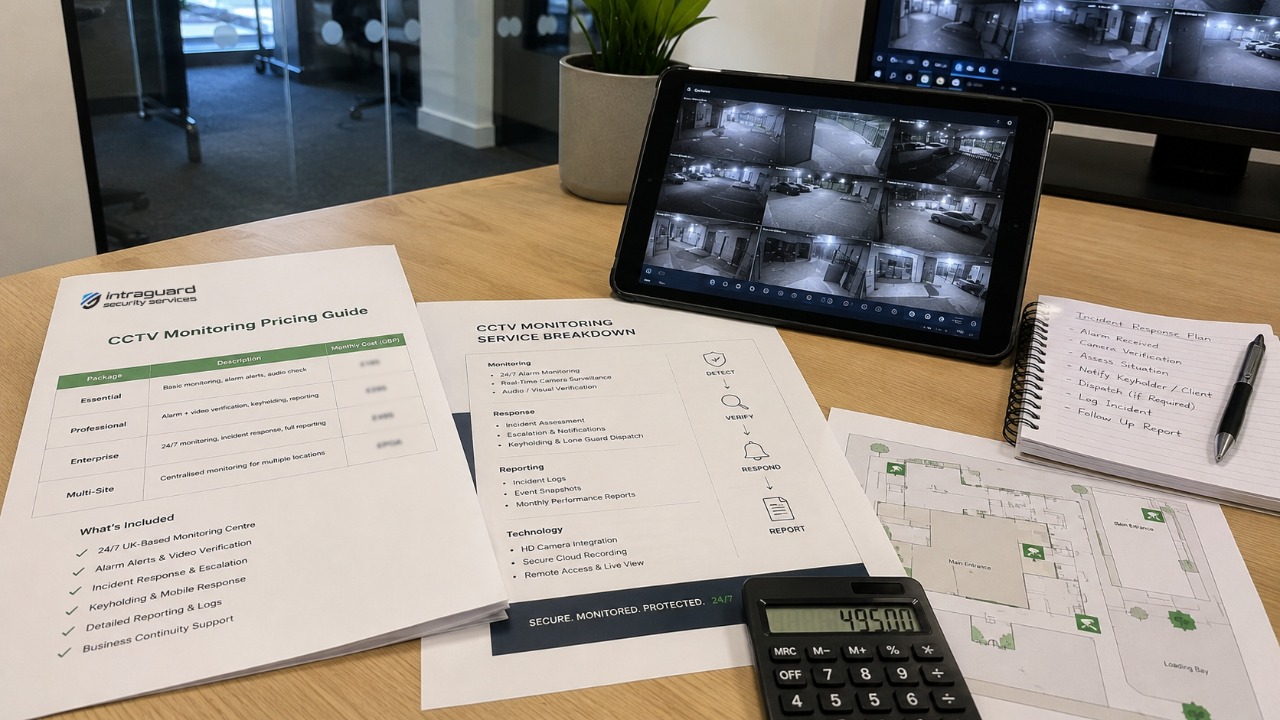
CCTV monitoring is worth the price when it changes the outcome of an incident. Recording only CCTV may give your business evidence the next morning.
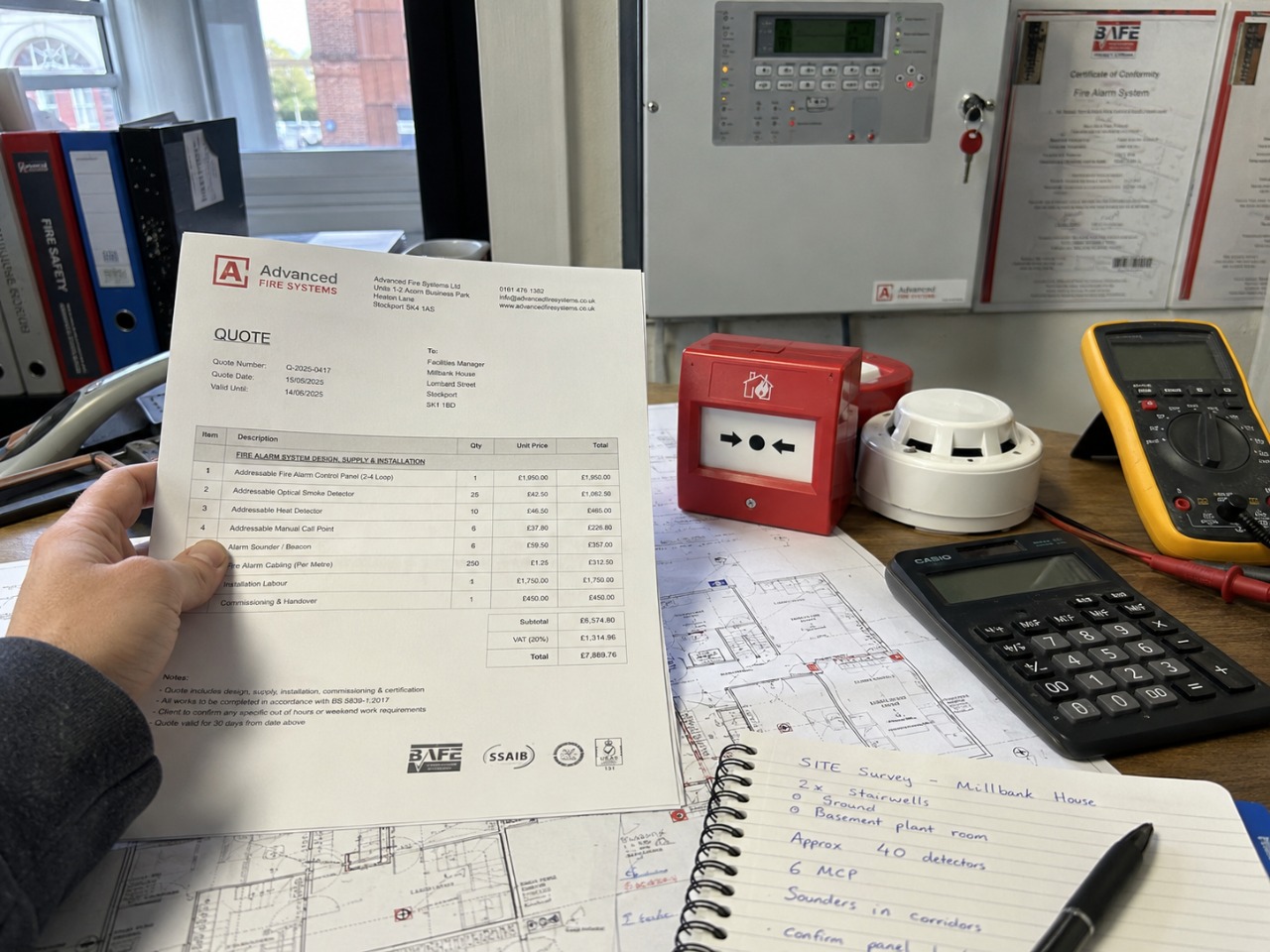
Fire alarm installation prices UK guide for commercial premises. See typical costs, quote factors, hidden fees and what to check before choosing an installer.
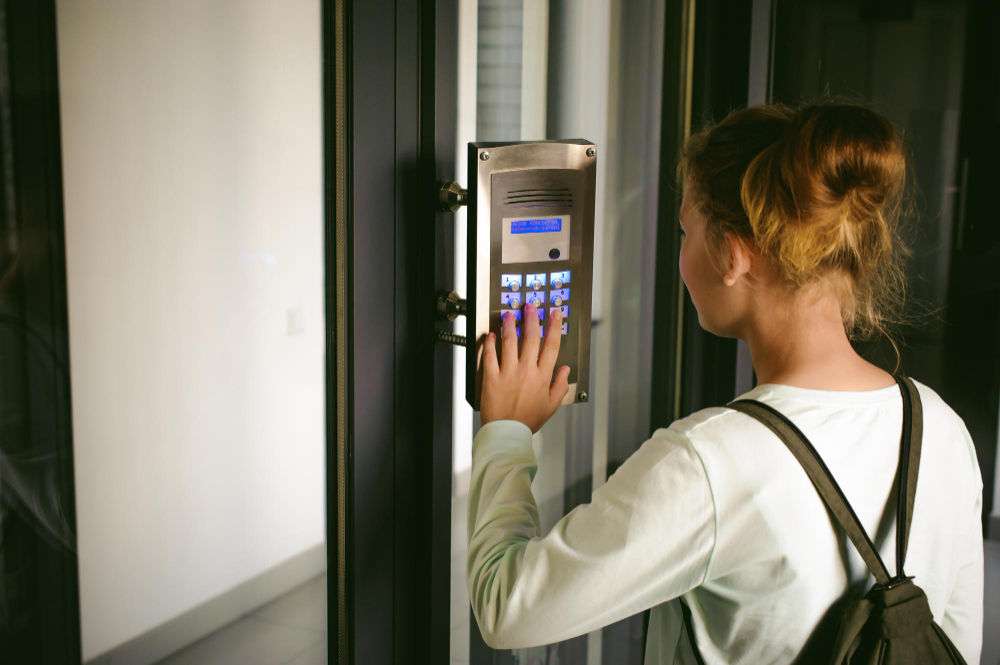
Access control systems prevent unauthorised entry by checking a person’s credentials before allowing access. These credentials may include a key card, fob, PIN, mobile credential, biometric scan, or visitor approval.

The UK terror threat level is a national assessment of how likely a terrorist attack is. It does not predict a specific place, time, or target. It gives businesses a warning level so they can prepare properly.
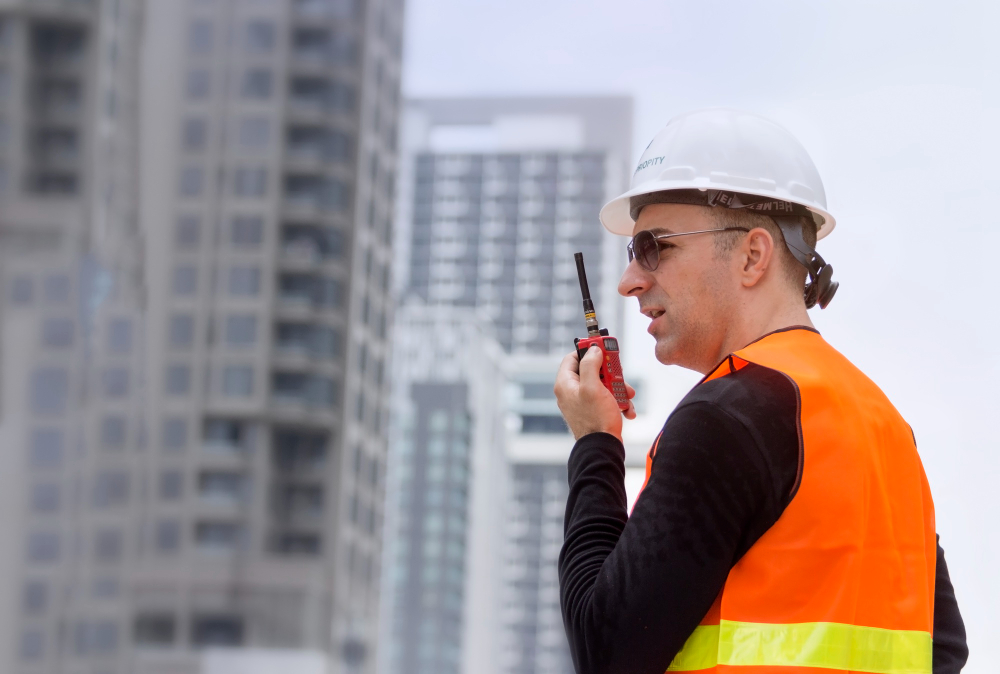
A small refurbishment site may only need patrols or CCTV monitoring. In contrast, a busy London construction project with tools, plant machinery, fuel, scaffolding and materials may need manned guarding or 24/7 cover.