
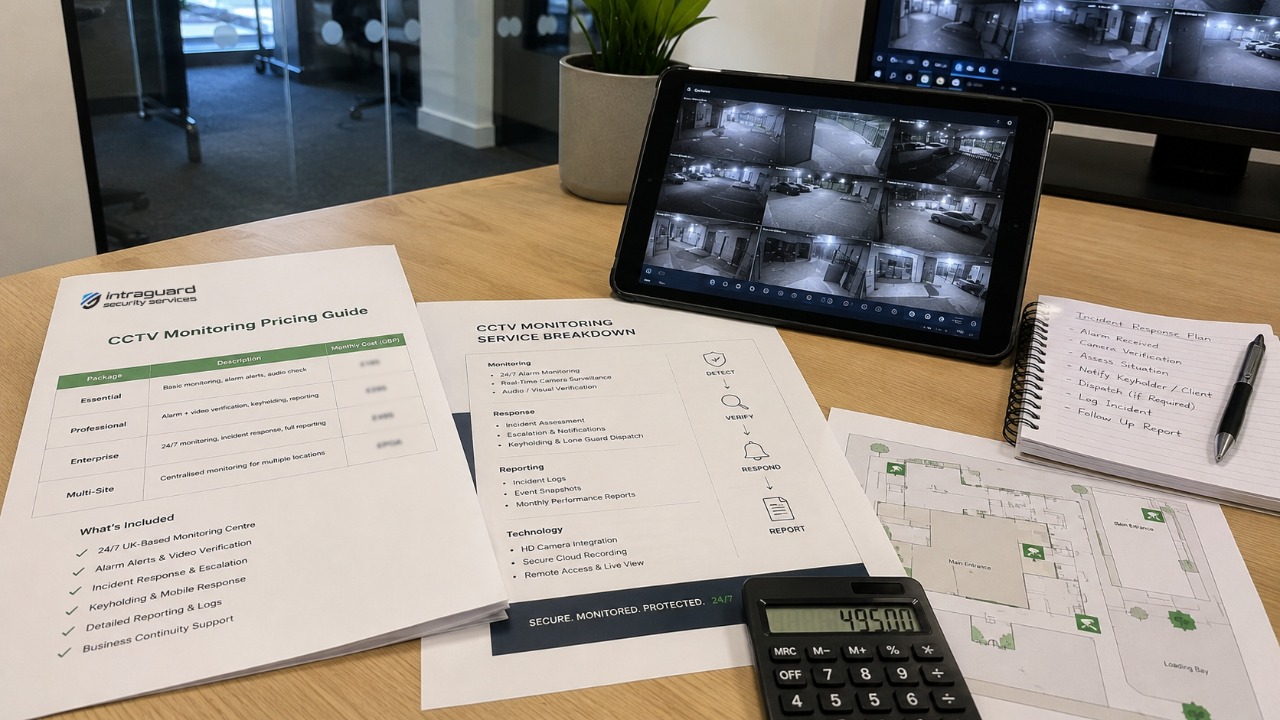
CCTV Monitoring Costs UK 2026: Is It Worth the Price for Businesses?
CCTV monitoring is worth the price when it changes the outcome of an incident. Recording only CCTV may give your business evidence the next morning.
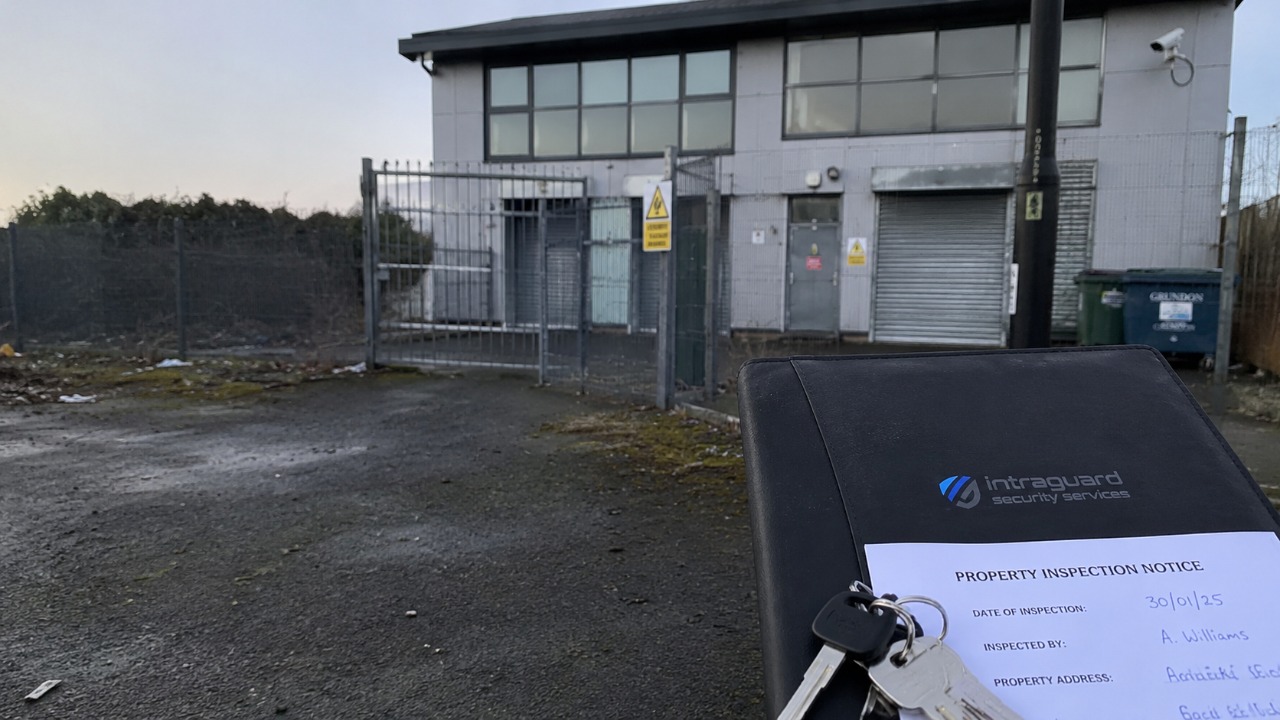
Empty properties can quickly become vulnerable without regular supervision. Broken locks, leaks, alarm failures and unauthorised access can turn into costly problems when issues go unnoticed.
Vacant property management helps protect unoccupied buildings through inspections, security checks, reporting and fast issue escalation. Official figures recorded 754,264 dwellings classed as empty in England in 2025. Although this figure relates to residential council-tax records, it highlights the scale of properties requiring structured oversight while unoccupied.
This guide explains what vacant property management includes, why inspections matter, how often checks should take place and how to choose the right protection strategy.
Vacant property management is the coordinated inspection, security, access control, maintenance escalation and reporting used to protect an unoccupied building. Its purpose is to identify damage, unauthorised access, utility failures and safety hazards early, document the property’s condition and ensure urgent issues reach an authorised responder.
Once a building becomes vacant, the daily activity that normally reveals damage, faults and unusual behaviour disappears.
When staff, residents, cleaners and contractors stop visiting regularly, problems that would normally be noticed quickly can remain hidden for days or weeks.
A small issue can become expensive if it is not detected early.
Common risks include:
Risk | What Can Happen | Why Inspections Help |
Forced entry | Broken doors, damaged locks or unauthorised access | Problems can be secured before further damage occurs |
Water damage | Leaks, flooding, damp and structural issues | Early detection prevents larger repairs |
Theft and vandalism | Stolen fixtures, damaged equipment or graffiti | Regular visits discourage opportunistic crime |
Fire hazards | Waste build-up, electrical faults or arson risks | Hazards can be identified before escalation |
Utility failure | Heating, power or alarm problems | Systems can be checked and faults reported |
Insurance issues | Missing inspection records or unmanaged risks | Documentation supports compliance requirements |
Security systems are valuable, but they cannot identify every problem.
CCTV may show someone approaching an entrance, but it may not detect a hidden leak behind a wall, damp developing internally, heating failure during winter or pest activity inside the building.
Physical inspections provide a current view of the property’s condition.
Vacant property management is broader than locking the doors after the final tenant, employee or contractor leaves. A workable plan combines physical inspections, reporting, secure access, maintenance escalation and an agreed security response.
Depending on the property, vacant property management services may include:
An initial internal and external condition survey
Scheduled vacant property inspections
Doors, windows, gates and perimeter checks
Utility, temperature and visible leak checks
Photographic reports and attendance records
Secure key holding and contractor access
CCTV and intruder alarm monitoring
Mobile patrols during higher-risk periods
Emergency boarding or locksmith escalation
The correct arrangement depends on the building. A vacant office awaiting refurbishment, a residential block between tenancies and an empty warehouse containing plant or stock do not need identical controls.
Normal occupation creates natural supervision. Staff, residents, cleaners, delivery teams and contractors notice unusual sounds, water, damage or unfamiliar people.
Once that daily activity disappears, defects may remain hidden for days or weeks.
Vacancy can also become visible from outside. Uncollected post, permanent darkness, broken lighting, overgrown vegetation, damaged signage and waste around entrances all suggest that nobody is checking the site.
This can encourage:
Trespassing and unauthorised occupation
Theft of fixtures, wiring and metal
Vandalism and deliberate damage
Fly-tipping and waste dumping
Arson and fire-setting
Repeated attempts to enter
Damage spreading without detection
The National Business Crime Centre advises businesses to assess vacant premises systematically, beginning with the boundary and working towards the main building. Its guidance covers perimeter security, vehicle access, surveillance, lighting, utilities, monitored alarms and protection of doors and windows.
A professional property inspector should follow a site-specific checklist rather than completing a quick walk around the front entrance.
The inspection should cover gates, fencing, walls, car parks, loading areas, external lighting and signs of vehicle or pedestrian access.
New graffiti, discarded tools, cut fencing, moved barriers or disturbed ground may indicate that someone has tested the site or entered without permission.
External checks should also identify:
Broken glazing
Loose signage
Blocked drainage
Visible roof damage
Damaged shutters
Overgrown vegetation
Fly-tipping
Failed exterior lighting
All practical access points should be checked for damage, interference and secure closure.
This includes delivery doors, fire exits, basement entrances, rear windows, roof access and shared entrances, not only the main door.
Electronic access control also needs attention. Former tenants, employees and contractors should not retain active fobs, PINs or unnecessary access permissions after occupation changes.
Internal vacant property inspections should look for:
Water leaks and damp
Unusual smells
Pest activity
Movement or loss of assets
Signs of sleeping or occupation
Unsafe floors or ceilings
Heating failures
Electrical faults
Alarm or CCTV problems
Internal fire hazards
Turning utilities off is not always the right solution. Electricity may still be required for alarms, CCTV, lighting, environmental controls or fire systems.
Utility decisions should be agreed with competent contractors and recorded in the vacant property plan.
A useful inspection report should include:
Date and time of attendance
Areas inspected
Time-stamped photographs
Meter readings where required
Changes since the previous visit
Defects or security concerns
Immediate action taken
Further work required
Urgent problems should be escalated immediately. A broken door or active leak should not wait in an unread routine report until the following morning.
A vacant property inspection report is only valuable if it accurately reflects what happened during the visit. Property owners should look for providers that can verify attendance through evidence such as time-stamped photographs, location records, and detailed inspection notes rather than relying on a simple written confirmation.
Verified reporting provides clearer visibility of the property's condition and creates a stronger inspection history if evidence is needed for insurance discussions, maintenance decisions or future reviews.
A reliable inspection report should include:
Date and time of attendance
Location-verified or GPS-supported evidence where applicable
Time-stamped photographs
Areas inspected
Issues identified
Immediate actions taken
Recommended follow-up work
A report that only states “all secure” gives limited information. Detailed, verifiable records help owners understand the property's condition and confirm that agreed inspection procedures have been completed.
There is no single inspection schedule that works for every vacant building.
The correct frequency depends on the property risk, insurance requirements, location and condition.
Factors that influence inspection frequency include:
Factor | Why It Matters |
Insurance requirements | Some policies require specific inspection schedules |
Property location | Higher-risk areas may require closer monitoring |
Previous incidents | Recent theft or vandalism increases risk |
Remaining assets | Valuable equipment or fixtures attract criminals |
Building condition | Older properties may develop problems faster |
Live utilities | Active systems require additional monitoring |
Weather exposure | Storms and freezing temperatures can cause damage |
Vacancy length | Longer vacancies require structured management |
Contractor activity | More access increases security risks |
Inspections may need to increase when:
A break-in has occurred
An alarm system fails
Contractors are working on site
Valuable items remain inside
Severe weather is expected
The property has exposed access points
Owners should always confirm inspection requirements with their insurer or broker because policy conditions vary.
Unsure how often your empty property should be checked? Intraguard can review the building, access arrangements, insurance conditions and existing security before recommending a proportionate inspection schedule.
The cost of vacant property management depends on the level of protection required and the risks associated with the building.
There is no single price that applies to every empty property.
Factors that can influence cost include:
A small residential property usually requires fewer checks than a large commercial building, warehouse or multi-site portfolio.
Larger properties may require:
More inspection points
Longer attendance times
Additional reporting
Multiple access checks
Properties requiring weekly inspections will generally require more ongoing management than those needing less frequent visits.
The correct schedule depends on:
Insurance requirements
Location
Property condition
Previous incidents
Vacancy duration
Properties in areas with higher crime levels, isolated locations or exposed access points may require additional measures.
This may include:
More frequent visits
Mobile patrols
Alarm response
Additional security checks
Some owners require simple confirmation reports, while larger organisations may need detailed documentation including:
Photographs
Condition updates
Defect tracking
Contractor recommendations
Portfolio reporting
CCTV monitoring and physical inspections solve different problems.
Monitoring is useful for identifying movement, intrusion and suspicious behaviour while an event is developing. A physical inspection is better for finding maintenance defects, internal deterioration and hazards outside camera coverage.
Consider a pipe leaking behind an internal wall. No person may enter the property and no alarm may activate, but the damage could continue for days. A scheduled inspection may identify staining, damp, low pressure or an unusual smell before the problem spreads.
A higher-risk property may require a combination of:
CCTV or alarm monitoring for immediate alerts
Key holding or mobile response for attendance
Scheduled inspections for wider condition checks
Documented escalation for repairs and security upgrades
Cameras provide visibility. Inspections provide physical verification.
Feature | CCTV Monitoring | Vacant Property Inspection |
Detect movement | Yes | During visit |
Check internal condition | Limited | Yes |
Identify leaks/damp | Limited | Yes |
Verify locks and access points | No | Yes |
Provide inspection records | Limited | Yes |
Vacant properties often carry additional insurance requirements because empty buildings can experience problems without anyone present to respond.
Depending on the policy, insurers may require conditions relating to:
Inspection frequency
Security arrangements
Alarm systems
Door and window protection
Removal of waste or combustible materials
Heating and water controls
Reporting incidents promptly
Requirements vary between insurers and property types, so owners should always check their policy wording.
A documented inspection process can help demonstrate that reasonable steps were taken to manage the property.
More importantly, regular inspections can prevent avoidable losses.
For example:
A small leak discovered during a scheduled visit can often be repaired quickly. The same leak left unnoticed for several weeks could result in major water damage, mould growth and expensive repairs.
Inspection records should clearly show:
When the property was visited
What areas were checked
What issues were identified
What actions were taken
Vacant property management London plans often need to account for dense neighbouring buildings, high pedestrian activity, redevelopment work, restricted parking and a faster emergency response requirement.
London Assembly research reported 105,138 empty homes in London during 2025, the highest number recorded in more than 20 years.
A London property may need a provider that can:
Attend quickly after an alarm
Hold and manage keys securely
Coordinate contractor access
Inspect shared entrances
Respond to trespass
Arrange emergency boarding
Report to remote landlords or asset managers
Vacant property management UK portfolios create another challenge: consistency.
An estate manager with properties in several regions needs one inspection standard, comparable reports and clearly defined escalation procedures across offices, retail units, warehouses, homes and development sites.
A clear response process should work as follows:
The property inspector records the issue and assesses immediate risk.
Security breaches and urgent hazards are reported immediately.
The authorised contact approves emergency action where required.
A locksmith, engineer, boarding contractor or patrol is deployed.
The completed action is recorded with photographic evidence.
The site risk assessment and inspection schedule are reviewed.
This process is especially important for organisations managing multiple empty properties. Without agreed authority levels, a minor repair can be delayed until it develops into a much larger loss.
Whether an SIA licence is required depends on the activities being carried out.
A general property condition inspection is not automatically an SIA-licensed activity.
However, contracted security activities such as:
Security guarding
Key holding
Certain CCTV surveillance activities
Alarm response duties
may require appropriate licensing.
Property owners should confirm:
What duties the provider performs
Whether those duties require licensing
Whether assigned officers hold the correct credentials
Experienced vacant property specialists should provide clear inspection processes, secure access management, detailed reporting and reliable escalation procedures.
Be cautious when a provider cannot explain:
Which areas are checked on every visit
Whether internal access is included
Whether reports contain time-stamped photographs
How missed inspections are handled
Who receives urgent notifications
How keys and alarm codes are controlled
What happens after forced entry
Whether emergency repairs can be arranged
How inspection frequency can be changed
What is excluded from the quote
A report that only says “all secure” does not give a facilities manager enough information to make an informed decision.
Vacant property management gives owners regular visibility over empty buildings and a clear route from inspection to action. Scheduled checks can identify unauthorised entry, leaks, alarm faults, fire hazards, vandalism, and deterioration before problems escalate.
Intraguard provides scheduled inspections with photo-backed reporting and defined escalation procedures. Call 0333 888 0247 to discuss your property or portfolio requirements.
Vacant property management is effective when it gives the owner regular visibility and a reliable route from discovery to action.
Scheduled inspections help identify forced entry, water leaks, alarm faults, fire hazards, vandalism and deterioration before they become larger repair, safety, insurance or business continuity problems.
Arrange scheduled vacant property inspections with photo-backed reporting and clear escalation when problems are identified. Contact Intraguard on 0333 888 0247 to discuss your property, portfolio and inspection requirements.
No. CCTV can show activity within covered areas, but it may not identify internal leaks, damp, heating failures, pests, smells, damaged locks outside camera view or gradual deterioration.
Follow the interval stated in the insurance policy and adjust it according to site risk. Additional visits may be appropriate after trespass, vandalism, severe weather, alarm faults or contractor activity.
A useful report should record the attendance time, areas checked, photographs, changes since the previous visit, defects found, immediate action taken and any work requiring approval.
An SIA licence may be required when the contracted duties include security guarding, key holding or qualifying CCTV surveillance. The required licence depends on the actual activities performed.
Cost commonly depends on property size, inspection frequency, location, internal-access requirements, reporting detail, portfolio size and whether key holding, monitoring, patrols or emergency response are included.
CCTV monitoring is worth the price when it changes the outcome of an incident. Recording only CCTV may give your business evidence the next morning.
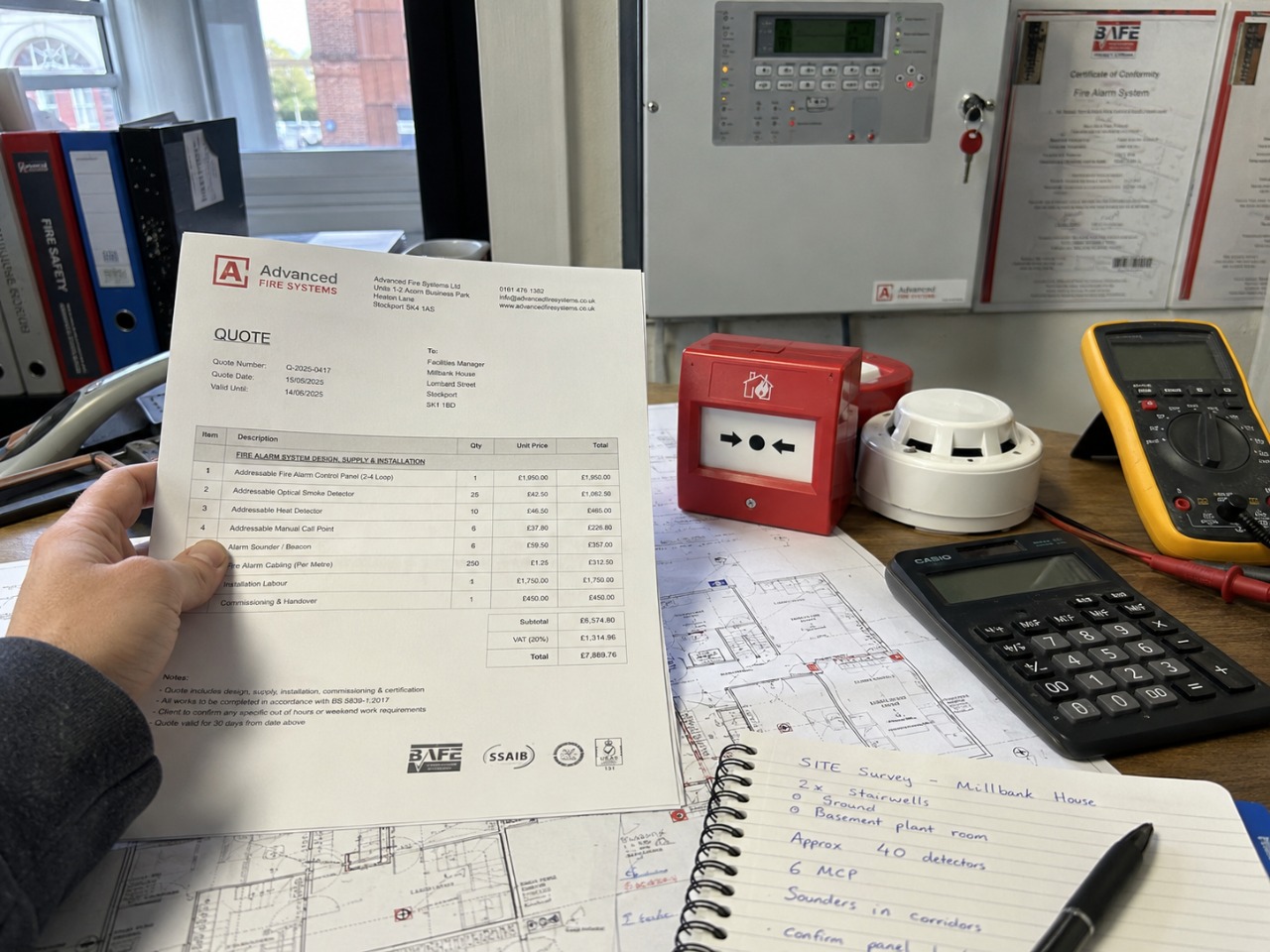
Fire alarm installation prices UK guide for commercial premises. See typical costs, quote factors, hidden fees and what to check before choosing an installer.
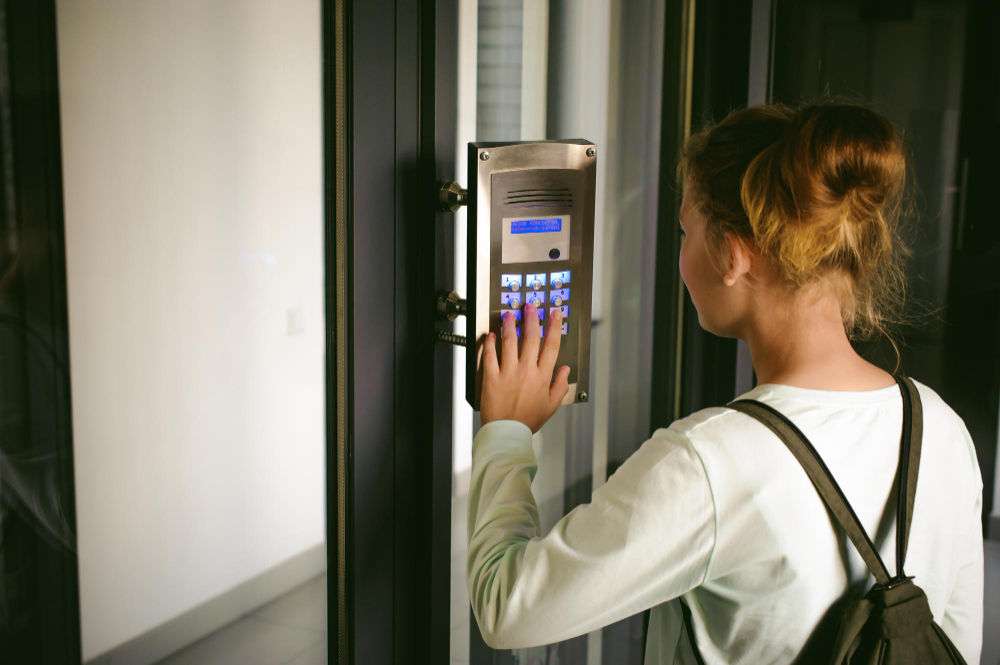
Access control systems prevent unauthorised entry by checking a person’s credentials before allowing access. These credentials may include a key card, fob, PIN, mobile credential, biometric scan, or visitor approval.

The UK terror threat level is a national assessment of how likely a terrorist attack is. It does not predict a specific place, time, or target. It gives businesses a warning level so they can prepare properly.

A small refurbishment site may only need patrols or CCTV monitoring. In contrast, a busy London construction project with tools, plant machinery, fuel, scaffolding and materials may need manned guarding or 24/7 cover.

For UK businesses, the key questions are simple: does Martyn’s Law apply, which tier are you in, what procedures do you need, and how do security measures like CCTV, access control, guards, lockdown plans, and evacuation routes fit in?