
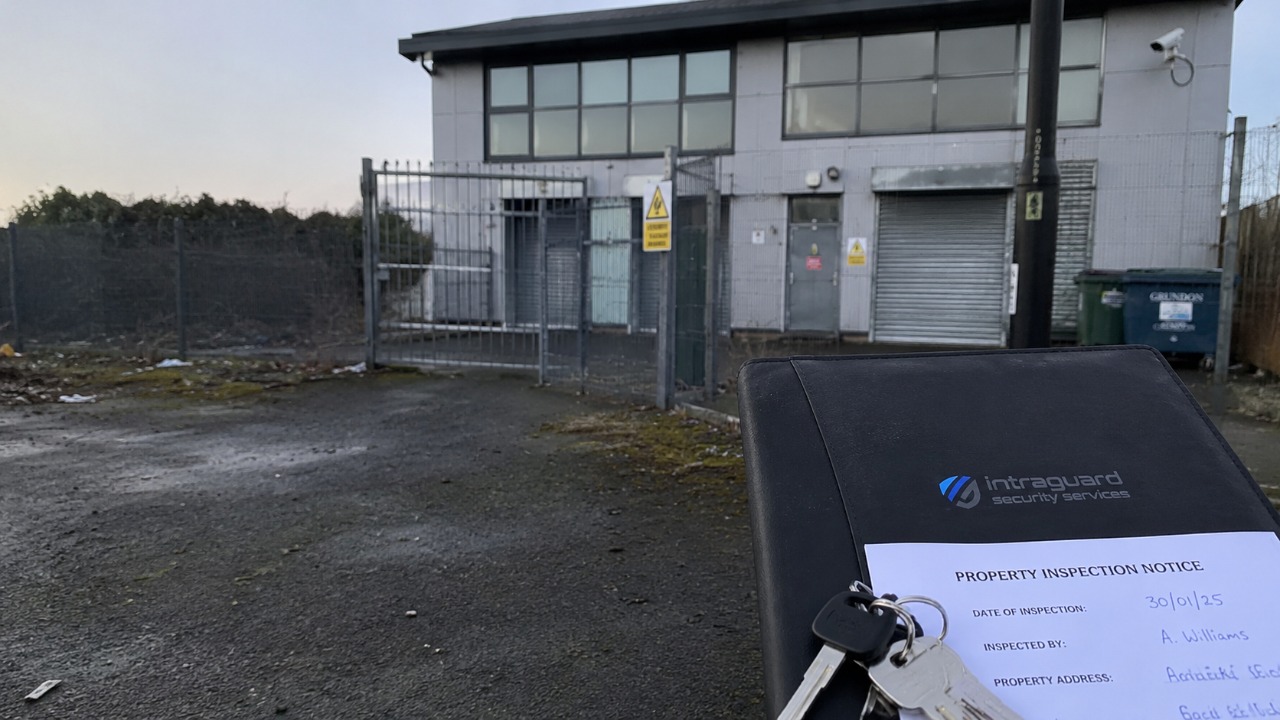
Vacant Property Management: A Complete Guide to Inspections, Risks and Protection
Vacant property management is the coordinated inspection, security, access control, maintenance escalation and reporting used to protect an unoccupied building.

Security isn’t just a service; it’s peace of mind, protection, and professionalism rolled into one. But as we move into 2025, the cost of keeping your premises, staff, or event secure has changed. Rising operational costs, demand for licensed personnel, and evolving risks all shape what you’ll pay.
Whether you’re a business owner, event organiser, or facilities manager, understanding these costs helps you plan smarter.
In this guide, we’ll break down everything you need to know, from average prices and influencing factors to insider tips on how to get the best value for your security investment.
Security guard prices are not fixed; they evolve with the market. Over the past year, the UK has seen an 18% increase in private security demand (BSIA, 2025), driven by the reopening of nightlife, construction growth, and new compliance laws.
Inflation, wage rises, and higher SIA licensing standards have all contributed to upward shifts in pricing. A well trained, fully licensed guard now represents not only manpower but also ongoing training, technology integration, and liability coverage.
In short, 2025 isn’t about finding the cheapest guard; it’s about finding the right level of expertise for your security needs.
Let’s tackle the biggest question first: How much does it actually cost to hire a security guard in the UK?
On average, in 2025, prices range from £15 to £25 per hour for general guarding. However, this can increase to £40 or more per hour for high risk or specialist operations, such as construction sites, festivals, or VIP close protection.
Here’s what you can generally expect across different sectors:
These figures cover trained professionals with insurance, uniforms, and supervision, not just “a man in a jacket.” When you pay for professional guarding, you’re investing in prevention, rapid response, and reassurance.
Multiple factors influence security costs; some are straightforward, while others surprise even experienced business owners.
London, Birmingham, and Manchester lead the country in higher rates due to greater living costs and service demand. In smaller towns or rural regions, you could pay up to 20% less for comparable coverage.
Security costs can vary depending on whether you need coverage for eight hours, twelve hours, or overnight. Night shifts, weekends, and bank holidays usually include premium pay rates, reflecting the extra commitment and risk.
All guards must hold an SIA licence, but those with specialist certifications such as first aid, CCTV operation, or counter terror awareness command higher rates. A more qualified guard often means fewer incidents, faster decisions, and smoother communication.
A small office lobby requires less coverage than a logistics hub or high risk construction site. The higher the potential threat or risk exposure, the more guards, supervision, and insurance a company must provide.
Mobile patrols, body cameras, two way radios, and patrol vehicles increase transparency and speed, but they also affect hourly costs. Many clients now request guards with tech enabled reporting tools that deliver real time updates.
Ultimately, you get what you pay for. The right security partner provides measurable value, not just visible presence.
Hiring by the hour might sound flexible, but if you need ongoing coverage, contract based security can save thousands annually.
Here’s how the pricing typically breaks down:
Type | When It’s Best | Approx. Rate (2025) | Benefits |
Hourly Hire | Short term events or emergencies | £18 £25/hr | Quick coverage, no long term commitment |
Monthly Contract | Retail, offices, or construction sites | £14 £20/hr | Consistent staff, lower hourly cost |
Annual Partnership | Large corporations or estates | £13 £18/hr | Dedicated team, priority response, ongoing supervision |
Most professional firms, including Intraguard, offer custom contracts with added benefits such as backup staff, site assessments, and incident reporting dashboards.
A contract agreement isn’t just cheaper; it’s more stable, ensuring your site is always covered, even if one guard calls in sick.
Location and experience go hand in hand when determining pricing.
In major metropolitan areas like London, Manchester, and Bristol, competition and living costs drive average hourly rates up to £25 £30. Meanwhile, in the Midlands, Wales, or the North East, the same services might cost around £18 £22.
Experience also matters. A newly licensed guard might handle basic site duties, but experienced guards, especially those with conflict management and crowd control training, can identify potential dangers before they escalate.
According to Security Source UK (2025), sites with seasoned guards experience 40% fewer false alarms and 30% quicker emergency response times. And the result? Safer operations and better public trust.
Security in 2025 is more multi layered than ever. Many clients now bundle extra services into their contracts for more protection.
Here’s how these add ons can influence costs:
Adding these services ensures 360° coverage, reducing liability risks and increasing efficiency. Many insurance companies even offer discounts of up to 20% for sites using professional keyholding or surveillance services.
To help you plan your 2025 security budget effectively, here’s a quick cost comparison across different service types so you can see exactly what you’re paying for and why it matters.
Service Type | Average Hourly Rate (2025) | Ideal For | What’s Included |
Static Guarding | £15 £20 | Shops, offices, car parks | Patrols, log sheets, and access control |
Mobile Patrols | £25 £35 | Large sites, industrial zones | Vehicle patrols, check ins, reports |
Event Security | £25 £30 | Festivals, public events | Crowd control, gate checks |
Construction Site Security | £20 £25 | Building sites, logistics yards | Equipment protection, overnight watch |
Concierge or Corporate Security | £18 £22 | Hotels, offices, corporate spaces | Visitor management, reception duties |
Dog Handling Units | £35 £45 | Warehouses, restricted areas | Patrol dogs, handler supervision |
Close Protection | £40 £60 | VIPs, executives | Personal safety, escorting, travel cover |
These figures provide a clearer picture of today’s security market. While rates may vary by region or contract length, investing in professional coverage ensures consistent protection, accountability, and peace of mind.
Hiring trained, licensed security guards is more than a cost; it’s a business continuity investment.
According to the Home Office, UK businesses lose £1.8 billion each year to theft, vandalism, and property crime. A visible, professional guard acts as both a deterrent and first responder, preventing incidents before they spiral into losses.
Beyond financial protection, guards also:
Many businesses that introduce professional security see a 20 30% reduction in insurance premiums and report higher employee morale.
Think of it this way: the cost of hiring security is small compared to the cost of recovering from a break in or lawsuit.
Not all security providers deliver the same value. To ensure your investment pays off, here’s what to look for in 2025:
Only hire companies with fully SIA licensed guards and BS7858 vetted employees. These certifications prove professional training and background checks.
Ask about the company’s experience in your specific sector: retail, construction, or corporate. The best firms tailor their approach to your environment.
Always request a detailed, itemised quote. Hidden costs (like travel fees or weekend surcharges) can inflate budgets fast.
Check online testimonials and request client references. Reputable providers proudly share success stories and performance reports.
Leading companies, such as Intraguard, now integrate real time reporting software, GPS tracking, and digital check ins for total accountability.
Choosing a security company is about trust. You’re not just buying hours, you’re buying reliability, responsiveness, and reassurance.
When you hire security, you’re trusting people with what matters most. At Intraguard, we take that trust seriously.
We provide SIA licensed, fully vetted security personnel across the UK covering retail outlets, construction sites, offices, and events. Every client gets transparent pricing, clear communication, and a customised plan designed around their risks, not a one size fits all package.
Our mission is simple: to make professional security accessible, accountable, and affordable in 2025.
Ready to secure your site with confidence? Contact Intraguard today and discover why leading UK businesses rely on us for complete protection.
Don’t stop here, check out our latest blogs packed with actionable insights.
What Happens When Your Bristol Premises Don’t Have a Fire Warden
Why Front of House Services Are the Heart of Safety and Success
In 2025, the average cost to hire a licensed security guard in the UK ranges between £15 to £25 per hour, depending on the location, experience, and type of service required.
Several factors influence pricing, including location, shift length, risk level, experience, and whether you need 24/7 coverage or specialised services like mobile patrols or event security.
By 2025, most reputable security companies in the UK will charge around £18 £22 per hour for standard guarding and up to £30 per hour for high risk or corporate security assignments.
Absolutely. Professional security guards deter theft, prevent vandalism, and provide rapid on site response, saving businesses thousands in potential losses and improving customer and staff safety year round.
Vacant property management is the coordinated inspection, security, access control, maintenance escalation and reporting used to protect an unoccupied building.
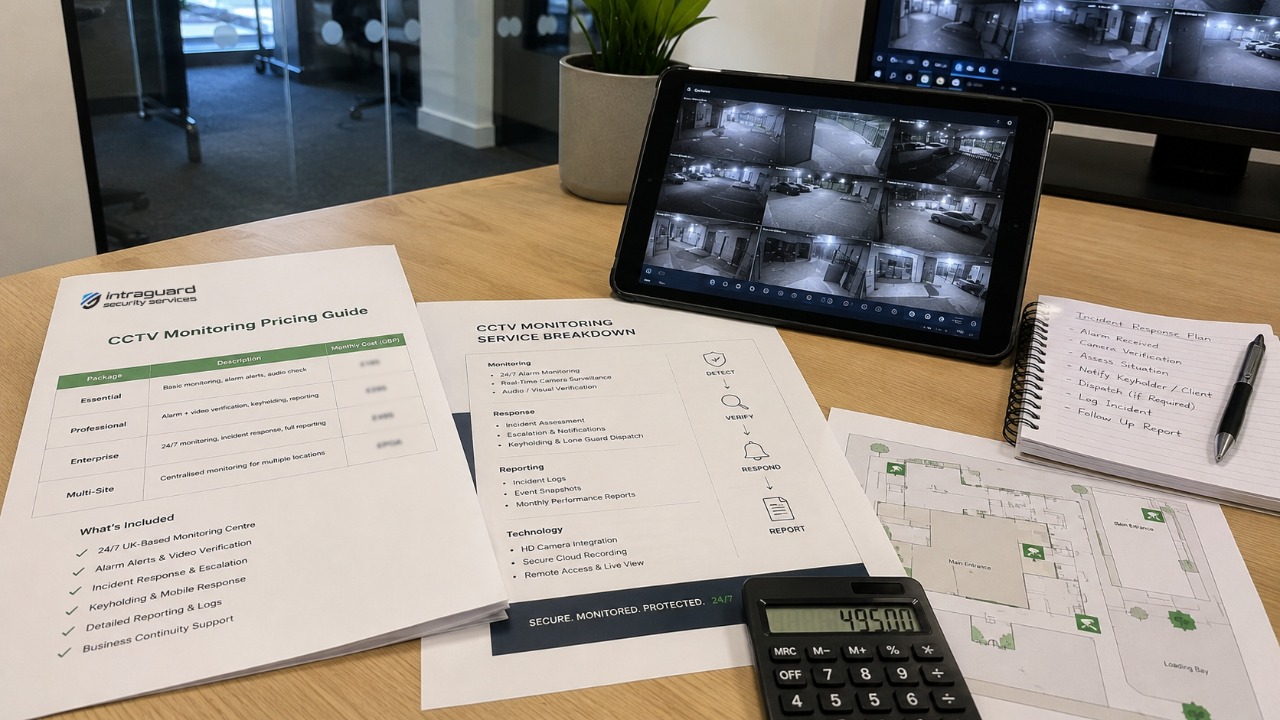
CCTV monitoring is worth the price when it changes the outcome of an incident. Recording only CCTV may give your business evidence the next morning.
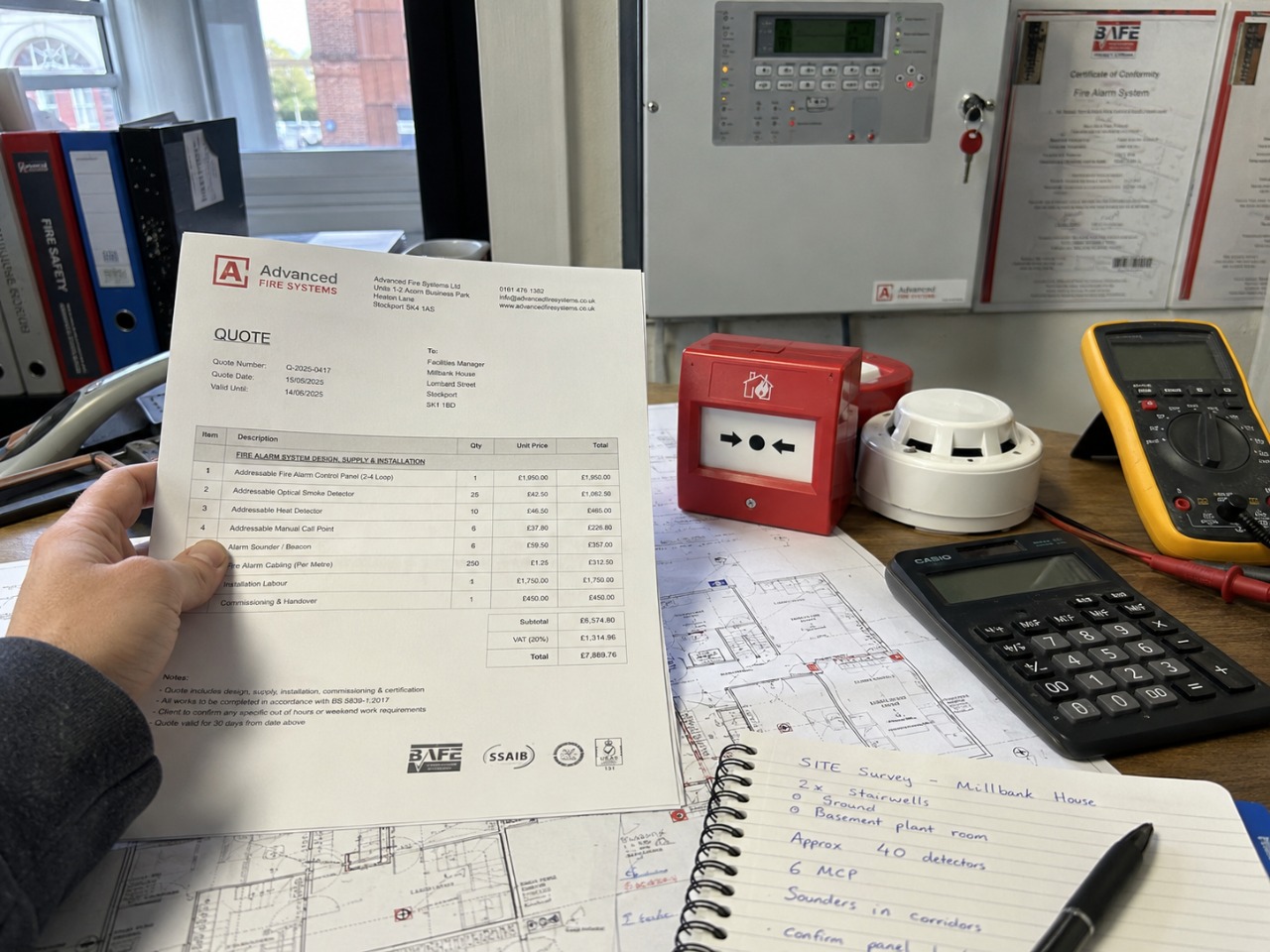
Fire alarm installation prices UK guide for commercial premises. See typical costs, quote factors, hidden fees and what to check before choosing an installer.
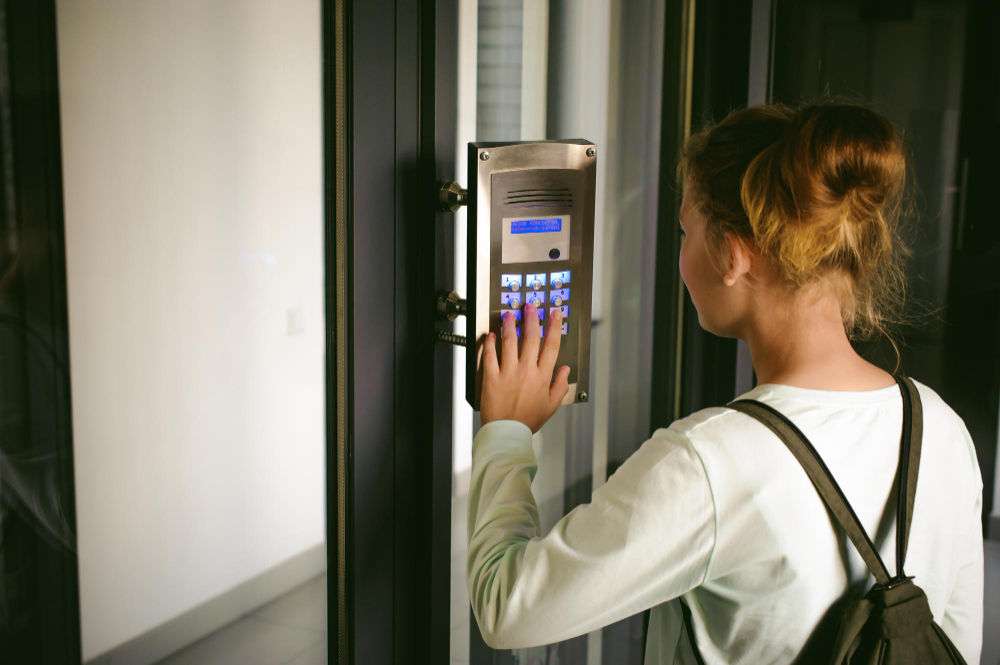
Access control systems prevent unauthorised entry by checking a person’s credentials before allowing access. These credentials may include a key card, fob, PIN, mobile credential, biometric scan, or visitor approval.

The UK terror threat level is a national assessment of how likely a terrorist attack is. It does not predict a specific place, time, or target. It gives businesses a warning level so they can prepare properly.
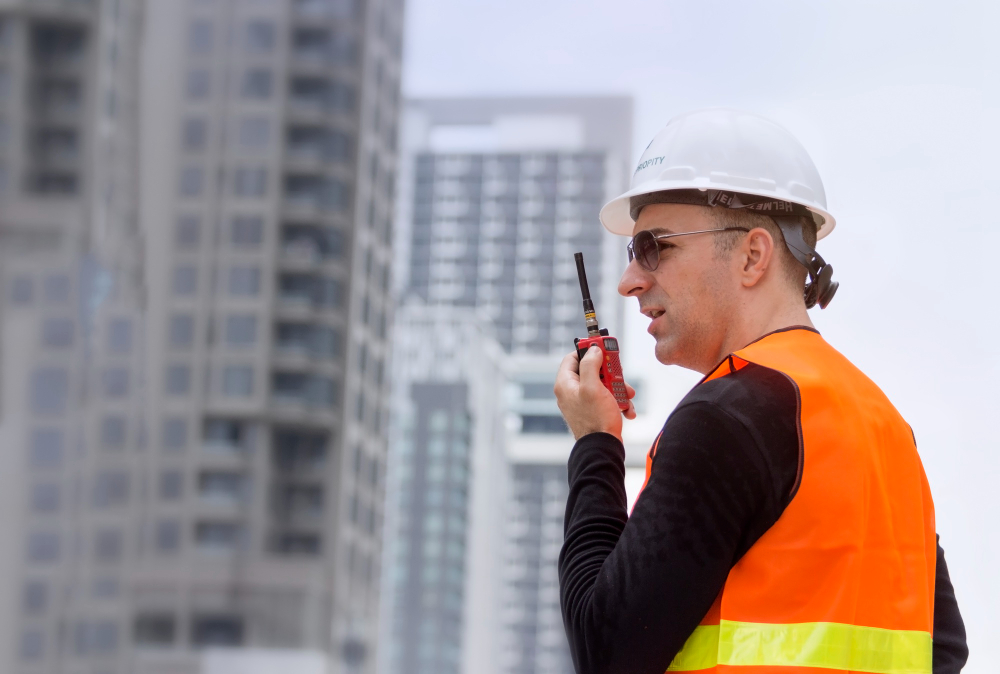
A small refurbishment site may only need patrols or CCTV monitoring. In contrast, a busy London construction project with tools, plant machinery, fuel, scaffolding and materials may need manned guarding or 24/7 cover.