
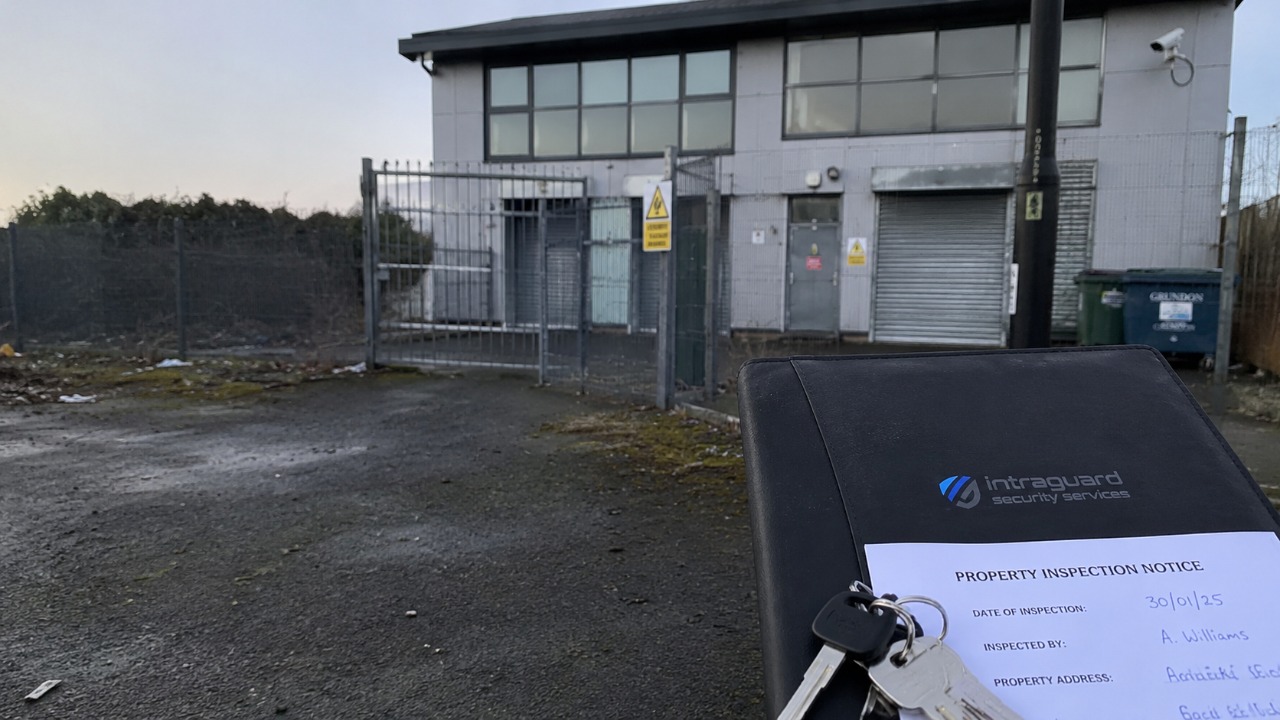
Vacant Property Management: A Complete Guide to Inspections, Risks and Protection
Vacant property management is the coordinated inspection, security, access control, maintenance escalation and reporting used to protect an unoccupied building.
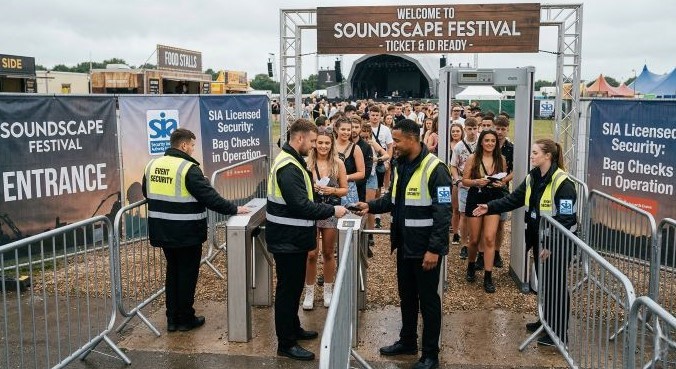
Event security in the UK typically involves a combination of SIA licensed personnel and physical measures including door supervisors, crowd management stewards, access control officers, and mobile patrols. The right mix depends on your event size, venue type, and risk level.
Event security refers to the professional measures and trained personnel deployed to protect attendees, staff, performers, and property at any organised gathering whether a small private function or a large scale public event.
In the UK, event security is not simply a precaution. It is a legal responsibility. Event organisers have a duty of care under the Health and Safety at Work Act 1974 and the Licensing Act 2003 to ensure the safety of everyone on site.
A professional event security team does far more than stand at a door. They:
The best event security is the kind guests barely notice until they need it.
Whether you are organising a corporate conference, a music festival, or a private celebration, the right security presence makes the difference between an event that runs smoothly and one that does not.
No two events are the same and neither is the security they require. Below are the main types of event security services used across the UK, and what each one actually does.
Door supervisors are the first point of contact between your event and the outside world. They manage entry points, verify credentials, handle refusals, and respond to incidents at the door.
In the UK, all door supervisors must hold a valid SIA Door Supervisor licence this is a legal requirement, not optional. Any company offering door supervisors without SIA licensing is operating illegally.
Best for: Nightclubs, bars, private parties, concerts, and any event where access control at entry points is critical.
Crowd management focuses on the safe movement and flow of large groups of people. Stewards guide attendees, manage queues, monitor capacity, and help prevent dangerous crowd build up.
This is particularly critical at high footfall events where poor crowd management can turn a minor issue into a serious incident within minutes.
Best for: Music festivals, sporting events, large public gatherings, and exhibitions.
Did you know? The majority of serious crowd incidents occur not due to bad intentions but poor planning and insufficient crowd management.
Static guards are positioned at fixed points throughout a venue entrances, exits, perimeters, or high value areas. Their presence alone is a powerful deterrent.
Unlike door supervisors, static guards focus on observation, deterrence, and immediate response within a defined zone.
Best for: Smaller venues, corporate events, exhibitions, and any event with specific high value areas requiring constant monitoring.
Mobile patrols involve security officers moving continuously across the venue covering areas that static guards cannot monitor from a fixed position.
For large or multi zone events, mobile patrols ensure no area goes unwatched and allow rapid response across the full site.
Best for: Large outdoor events, multi stage festivals, and venues with complex layouts.
Access control goes beyond checking tickets. It involves managing who enters, where they go, and when using physical checks, credential verification, wristbands, or electronic systems.
Effective gatekeeping prevents unauthorised access, reduces overcrowding, and protects restricted areas such as backstage zones or VIP sections.
Best for: Invitation only events, corporate conferences, award ceremonies, and VIP functions.
Security screening includes bag searches, metal detector checks, and pat downs at entry points. This is one of the most visible forms of event security and one of the most effective deterrents.
In the current UK security climate, screening is increasingly expected at public facing events, not just high profile ones.
Best for: Concerts, political events, large public gatherings, and any event with an elevated threat level.
Close Protection Officers (CPOs) commonly known as bodyguards provide dedicated, personal protection to specific individuals. This includes performers, executives, dignitaries, or any VIP guest requiring a higher level of security.
CPOs are highly trained professionals with expertise in threat assessment, route planning, and emergency response.
Best for: High profile events, celebrity appearances, corporate functions with senior executives, and political gatherings.
Live CCTV monitoring provides real time surveillance across the entire venue. A dedicated monitoring team can identify emerging threats, track suspicious behaviour, and support on ground security teams with live intelligence.
Modern AI powered CCTV takes this further detecting anomalies automatically before they escalate.
Best for: All event types particularly large venues, outdoor events, and anywhere physical patrols cannot cover every corner.
The security requirements for a wedding look nothing like those for a music festival. Choosing the wrong setup wastes budget and worse, leaves gaps in your protection. Here is a straightforward breakdown by event type.
Large scale music events present some of the most complex security challenges in the industry. High crowd density, alcohol consumption, and multiple entry points demand a structured, layered security approach.
Recommended security mix:
Corporate events require a different tone professional, discreet, and seamless. Guests expect a smooth experience, not a visible security presence at every corner.
Recommended security mix:
Even private celebrations benefit from professional security particularly larger gatherings where uninvited guests, noise complaints, or alcohol related incidents can quickly escalate.
Recommended security mix:
A professional security presence at a private event does not signal distrust it signals that you have planned properly and care about your guests' safety.
Sporting events from local fixtures to major stadium occasions carry unique crowd management challenges. Rival supporter groups, high emotions, and large volumes of people require experienced, confident security teams.
Recommended security mix:
Marathons, festivals, public celebrations, and community gatherings fall under a specific set of UK regulatory requirements. Organisers have a formal duty of care and insurers expect documented security planning.
Recommended security mix:
This is one of the most common questions event organisers ask and one of the hardest to answer with a single number. The honest answer is: it depends.
That said, the UK event industry follows broadly accepted staffing guidelines that provide a practical starting point.
General UK Staffing Guidelines:
Event Size | Min. Security Staff | Recommended Ratio |
Up to 100 guests | 2 3 officers | 1 per 50 guests |
100 250 guests | 3 5 officers | 1 per 50 guests |
250 500 guests | 5 10 officers | 1 per 50 guests |
500 1,000 guests | 10 20 officers | 1 per 50 75 guests |
1,000 5,000 guests | 20+ officers | Risk assessed |
5,000+ guests | Full security plan | Regulatory required |
Figures represent general guidance only. Final staffing levels should always be confirmed following a professional risk assessment.
What Increases Your Staffing Requirements?
Several factors push these numbers higher:
Under staffing a security operation is not just a safety risk it is a legal liability. If an incident occurs and your security provision is found to be inadequate, event organisers can face serious legal and financial consequences.
Not sure how many guards your event needs?
If you are planning an event and need professional support, speak to Intraguard for a no obligation consultation and a recommended security approach based on your venue, crowd profile, and event format.
Hiring event security in the UK is not simply a matter of finding people who look the part. There are strict legal requirements that every event organiser must understand because if something goes wrong, ignorance is not a defence.
The Security Industry Authority (SIA) is the UK government body responsible for regulating the private security industry. Under the Private Security Industry Act 2001, any individual carrying out licensable security activity must hold a valid, in date SIA licence.
This includes:
Hiring unlicensed security operatives is a criminal offence both for the operative and potentially for the event organiser.
Before signing any contract with a security company, verify the following:
Intraguard is fully SIA licensed and ACS accredited with every operative individually vetted to BS 7858 standards before deployment. Our accreditations are not a box ticking exercise. They are our baseline.
If your event requires a premises licence or a temporary event notice (TEN) under the Licensing Act 2003, your security arrangements may be subject to review by the local licensing authority. A professional security provider will support you through this process not leave you to navigate it alone.
There is no shortage of security companies in the UK. But not all of them are equal and at an event, the difference between a professional operation and an inadequate one is not just inconvenient. It can be dangerous.
Here is what to look for before you sign anything.
✅ 1. SIA Licensed & ACS Accredited
This is non negotiable. Every operative must be SIA licensed and the company itself should hold ACS accreditation, which signals it operates to standards above the legal minimum.
✅ 2. Relevant Event Experience
A company experienced in retail security is not automatically qualified to manage a 2,000 person festival. Ask specifically about their event security track record size of events managed, types of venues, and sectors covered.
✅ 3. They Offer a Risk Assessment
Any reputable event security company will conduct or offer a pre event risk assessment. If a company is willing to quote you without understanding your venue, your audience, or your risk profile, walk away.
✅ 4. Clear Communication & Chain of Command
On the day of your event, you need to know exactly who is in charge, how decisions are made, and how incidents are escalated. A professional company provides a named supervisor, a clear briefing document, and an agreed communication plan.
✅ 5. Transparent Pricing
Hidden costs are a red flag. Your quote should clearly outline staffing levels, hours of cover, supervisor ratios, and any additional charges for late finishes or emergency response.
✅ 6. Post Event Reporting
Professional security companies provide written post event reports documenting incidents, operational performance, and recommendations. This is important for insurance, licensing compliance, and internal event review.
Choosing the cheapest option rarely saves money in the long run. One poorly managed incident whether a fight, an injury, or a licensing violation can cost far more than the price difference between a professional provider and a cut price alternative.
Why Event Organisers Choose Intraguard:
The main types of event security in the UK include SIA licensed door supervisors, crowd management stewards, static security guards, mobile security patrols, access control officers, event security screening, close protection officers, and CCTV monitoring. The right combination depends on your event size, venue type, and risk level.
Yes this is a legal requirement. Under the Private Security Industry Act 2001, any individual carrying out licensable security activity at an event must hold a valid SIA licence. Hiring unlicensed security operatives is a criminal offence. Always verify licences before booking any security provider.
As a general guideline, one security officer per 50 guests is the broadly accepted starting point for standard events in the UK. However, factors such as alcohol licensing, venue complexity, event type, and risk profile can significantly increase this number. A professional risk assessment will give you an accurate staffing recommendation for your specific event.
A steward's primary role is to assist and guide attendees managing crowd flow, answering questions, and directing people safely. A security guard is trained and legally authorised to intervene in incidents, remove individuals, and enforce access control. At most large events, both roles work alongside each other as part of a layered security operation.
Event security in the UK typically ranges between £17 and £20 per hour per operative for standard SIA licensed personnel. Final costs depend on event size, duration, number of operatives required, and specific risk factors. For a transparent, tailored quote based on your event's exact requirements, contact Intraguard directly.
For standard events, booking at least 4 to 6 weeks in advance is recommended. For large scale festivals, stadium events, or complex multi venue operations, 3 to 6 months notice ensures sufficient time for site assessment, safety planning, and full team briefing.
Can Intraguard provide event security at short notice?
Yes. For urgent requirements, Intraguard can mobilise a licensed security team within 24 hours. For planned events, earlier contact allows thorough pre event site assessment, full operative briefing, and proper risk planning the earlier you get in touch, the better prepared your team will be on the day.
What happens if an incident occurs during the event?
Intraguard operatives follow pre agreed escalation protocols from the moment a situation develops containing it, notifying venue management, and coordinating with emergency services where required. Every incident is fully documented, and a written report is provided to the organiser after the event for insurance and compliance purposes.
Can event security operatives work alongside
our existing in house security team? Yes. Intraguard's event security teams integrate with existing venue security on a regular basis. During the pre event site assessment, we review your current setup and agree on clear roles, communication protocols, and escalation procedures so every team member knows exactly what they are responsible for before the event begins.
Do you provide a written report after the event?
Yes. Every Intraguard event security deployment includes full post event documentation covering operational performance, any recorded incidents, and recommendations for future events. This is provided directly to the organiser and is suitable for insurance purposes, licensing compliance, and internal review.
Every event carries different risks. The right security setup depends on your venue, attendance, and operating plan. Getting that setup right early helps prevent avoidable issues on the day.
Intraguard provides professional, SIA licensed event security services across the UK from intimate private functions to large scale public events. Our teams are fully vetted, ACS accredited, and experienced across every major event type.
What you get with Intraguard:
"From the initial consultation to the final debrief, Intraguard manages every aspect of your event security so you can focus entirely on running a successful event."
📞 Call us: 0333 888 0247
Vacant property management is the coordinated inspection, security, access control, maintenance escalation and reporting used to protect an unoccupied building.
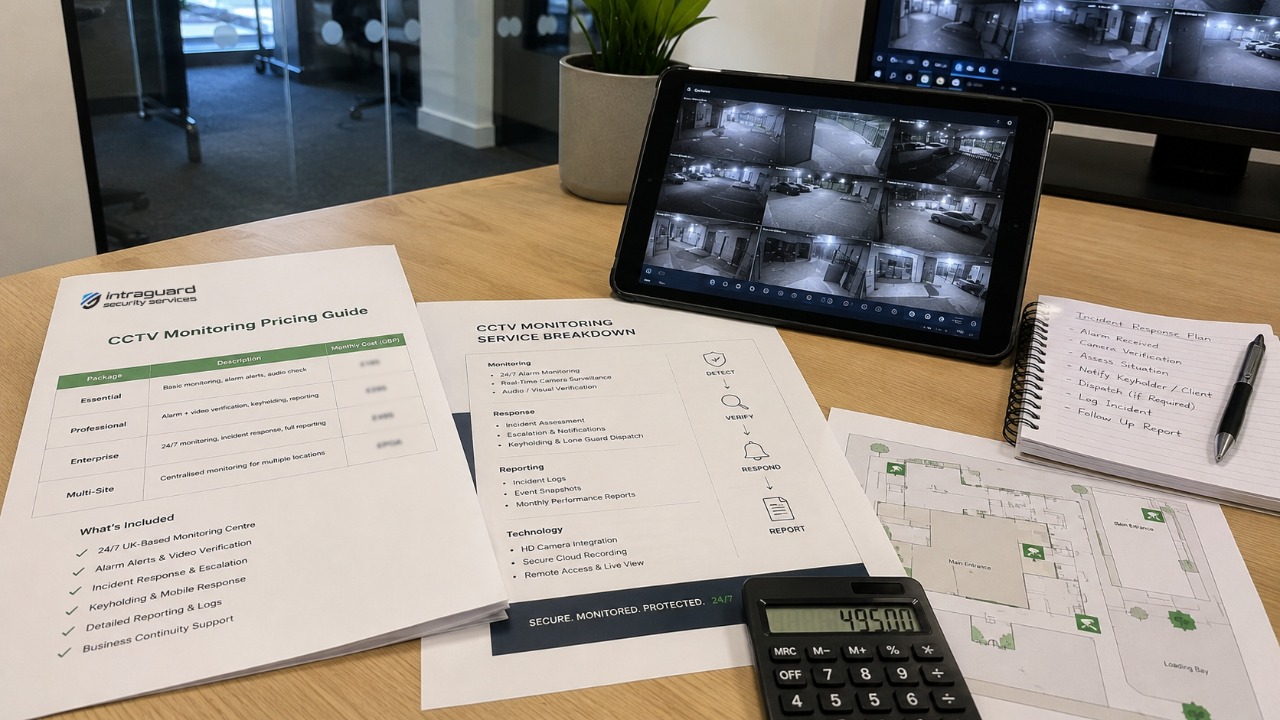
CCTV monitoring is worth the price when it changes the outcome of an incident. Recording only CCTV may give your business evidence the next morning.
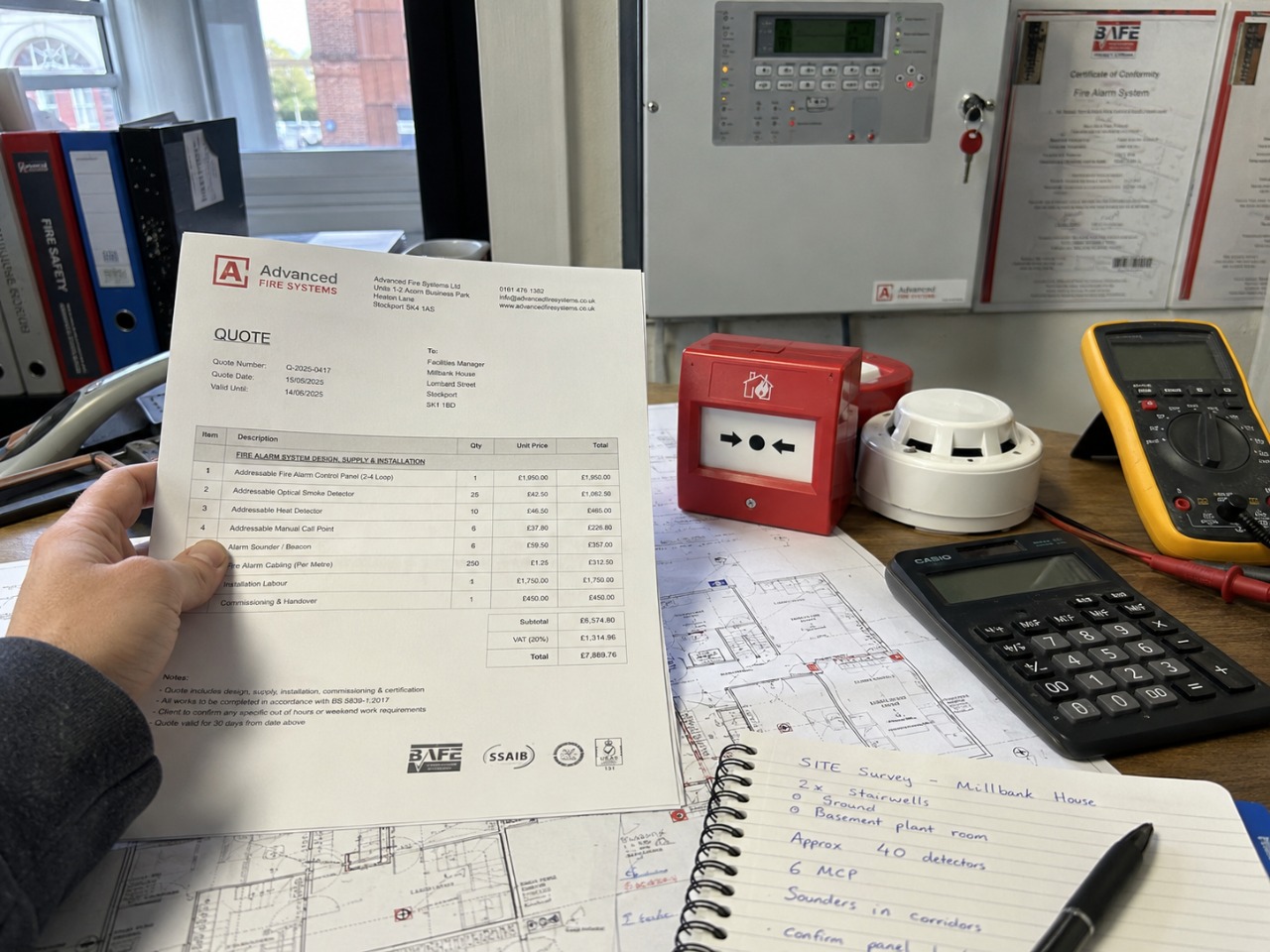
Fire alarm installation prices UK guide for commercial premises. See typical costs, quote factors, hidden fees and what to check before choosing an installer.
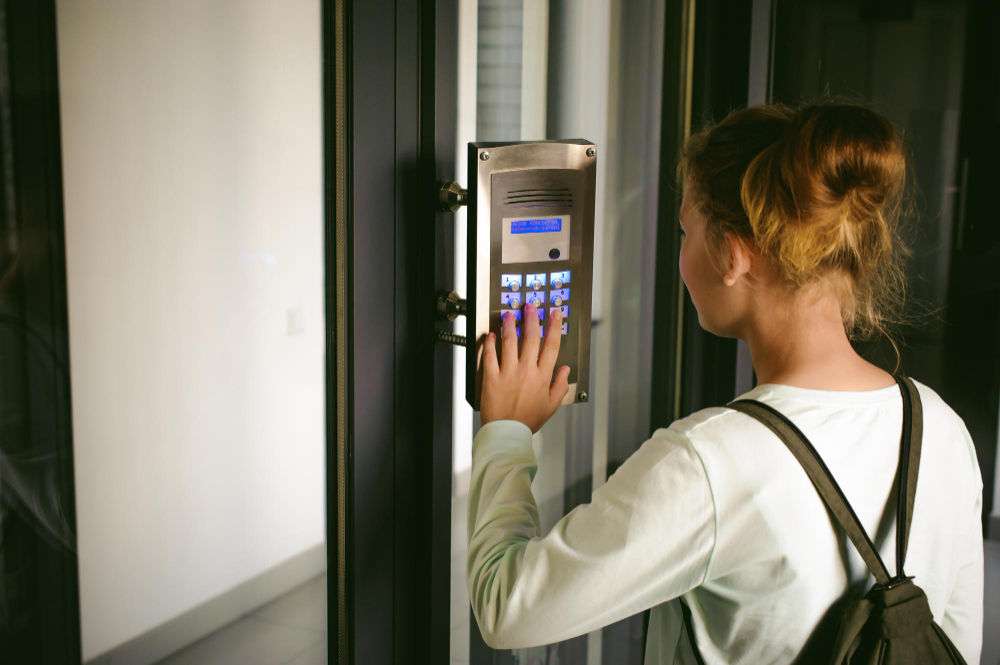
Access control systems prevent unauthorised entry by checking a person’s credentials before allowing access. These credentials may include a key card, fob, PIN, mobile credential, biometric scan, or visitor approval.

The UK terror threat level is a national assessment of how likely a terrorist attack is. It does not predict a specific place, time, or target. It gives businesses a warning level so they can prepare properly.
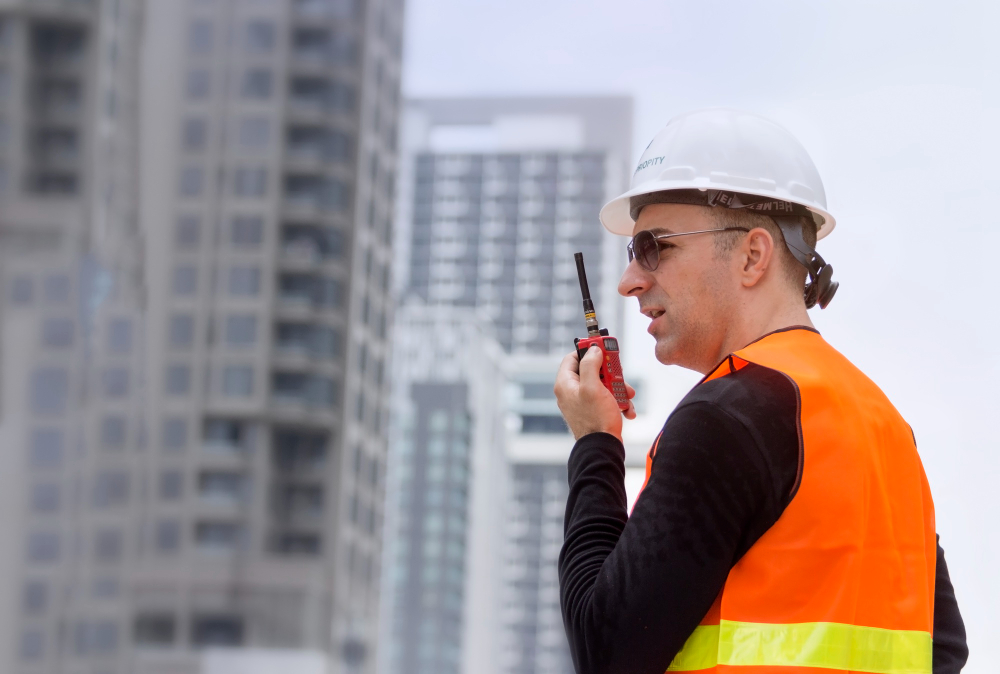
A small refurbishment site may only need patrols or CCTV monitoring. In contrast, a busy London construction project with tools, plant machinery, fuel, scaffolding and materials may need manned guarding or 24/7 cover.