
Vacant Property Management: A Complete Guide to Inspections, Risks and Protection
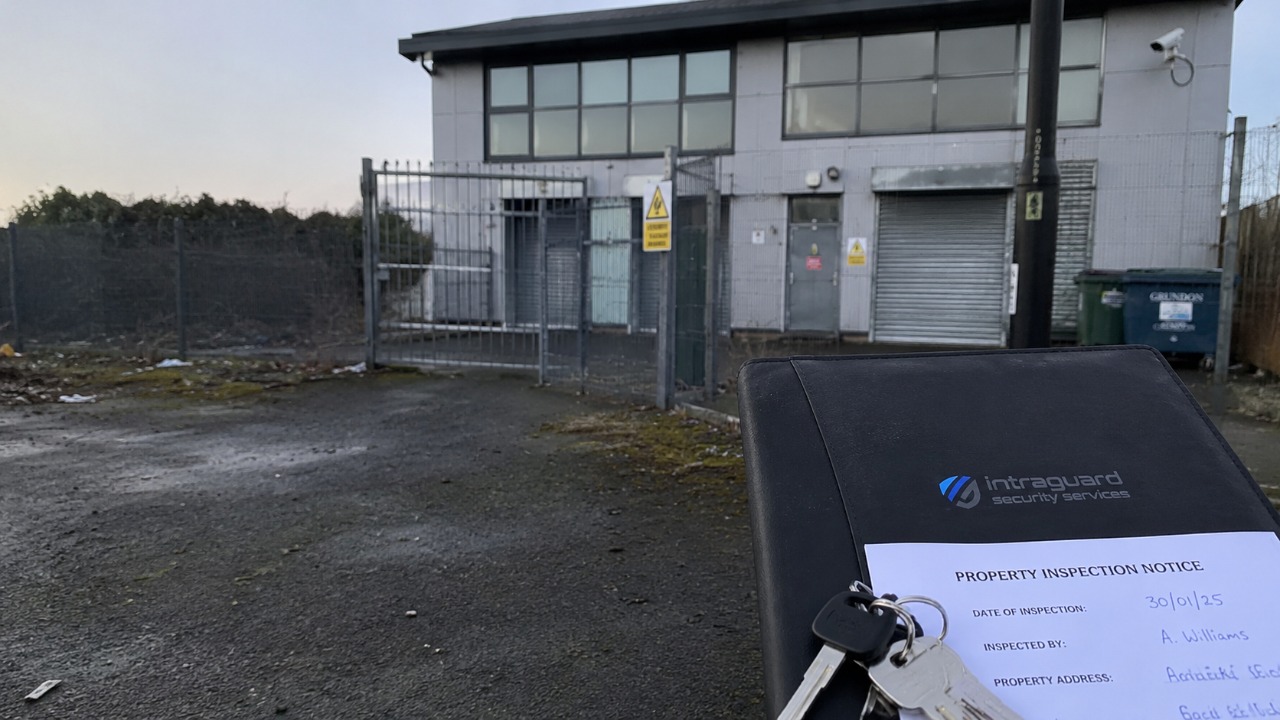
Vacant property management is the coordinated inspection, security, access control, maintenance escalation and reporting used to protect an unoccupied building.

If you’ve ever wondered who takes charge during an emergency, that’s your fire warden, the calm amid the chaos.
Fire wardens are trained professionals responsible for identifying hazards, ensuring fire exits are clear, conducting drills, and leading evacuations.
They’re the people who turn panic into order when alarms go off.
Their training includes:
Under UK law, every workplace, from a small café on Gloucester Road to a warehouse in Avonmouth, must have at least one designated fire warden.
Neglecting this duty can invalidate insurance policies and result in hefty penalties.
Picture this: it’s a regular morning at your Clifton office. Someone burns toast in the staff kitchen, smoke triggers the alarm, and suddenly the building’s filled with confusion.
Without a fire warden:
This isn’t just hypothetical. Data from Avon Fire & Rescue shows that delayed evacuation and lack of leadership are the top contributors to workplace fire injuries.
Even small delays can have catastrophic effects fires double in size every 60 seconds.
Without trained wardens, those first critical minutes are often wasted.
Financially, the aftermath can be brutal. Without clear evidence of fire safety measures, insurers may reject claims, and enforcement officers can issue substantial fines. In extreme cases, business owners may even face prosecution for negligence.
So while skipping a warden might seem like a small saving, it could cost you your business.
Let’s get real: fire safety laws in the UK aren’t optional.
Under the Regulatory Reform (Fire Safety) Order 2005, all employers, landlords, and property managers are legally obligated to ensure that fire safety responsibilities are met.
That includes:
Failure to meet these standards can result in legal action. In Bristol, inspectors frequently check compliance in busy business areas like Broadmead, Temple Quarter, and St. Paul’s.
Non compliance often results in enforcement notices, mandatory closures, or even court prosecution.
When you think about the stakes, the message is simple: if your company has employees, it needs a fire warden.
Let’s break down what happens when you don’t have a warden watching your back:
Untrained employees hesitate in an emergency. Fire wardens lead structured, quick, and calm evacuations, saving precious seconds when they matter most.
Without wardens, you can’t confirm if everyone made it out. This puts both lives and emergency services at unnecessary risk.
Blocked fire doors, overloaded sockets, or misplaced extinguishers might go unnoticed until it’s too late. Fire wardens catch these small issues before they escalate.
If a fire occurs and there’s no trained warden, the responsible party can face hefty penalties for negligence. Insurance companies may refuse coverage, citing “failure to maintain safety measures.”
Even if you recover physically, the reputational loss can be long lasting. Clients lose trust, and staff morale plummets after preventable incidents.
Here’s what the data says:
Numbers don’t lie. Prevention is way cheaper than recovery.
So, what makes professional fire warden services worth it?
Professionals are equipped to react under stress. They know fire behaviour, smoke patterns, and optimal evacuation methods knowledge which can save lives.
No two workplaces are the same. Fire warden experts identify hazards specific to your property, like flammable stockrooms or poorly ventilated kitchens.
Fire drills aren’t boring box ticking exercises. They train your team to respond instinctively, not reactively, when alarms sound.
Professional services keep records that satisfy audits, insurers, and regulators. No more last minute scrambling for paperwork.
Preventing one fire can save thousands in repairs, lost productivity, and legal fees. It’s not an expense, it’s an investment in continuity.
Bristol’s skyline is changing fast, and so is its fire safety landscape. From glass fronted office towers in Temple Meads to creative studios in Stokes Croft, businesses are integrating smart fire detection systems and AI powered risk management tools.
According to the National Fire Chiefs Council (NFCC), workplaces combining human oversight with technology reduce fire related losses by 40% or more.
Smart alarms, thermal sensors, and automated alert systems are powerful, but they still rely on human judgment to make critical calls. That’s where trained fire wardens continue to play an irreplaceable role.
In the next five years, expect to see more digital fire warden dashboards, mobile evacuation apps, and real time training simulations, and Bristol businesses are leading that charge.
From bustling cafés on Park Street to warehouses in Avonmouth, Bristol’s business ecosystem thrives on productivity and reputation. But one preventable fire can erase years of hard work overnight.
When clients, customers, or investors assess your company, safety is part of your credibility. A visible commitment to fire safety through trained wardens, drills, and certification shows responsibility and leadership.
Fire safety isn’t about ticking boxes; it’s about protecting what you’ve built. And with enforcement tightening across the UK, neglect is simply not an option.
No one plans for a fire, but every smart business plans against one.
Skipping fire warden training or services might save a few pounds today, but it can cost far more tomorrow. Fires don’t just destroy property; they threaten lives, damage brands, and lead to serious legal consequences.
At Intraguard, we make fire safety simple, proactive, and effective. Our Fire Warden Services in Bristol are designed to protect your team, safeguard your premises, and keep your business compliant without the stress.
Bristol businesses are built on innovation, care, and community. So protect your people, your property, and your peace of mind with the experts who understand all three.
Get your fire warden services in Bristol arranged today with Intraguard because prevention isn’t just better than a cure; it’s survival.
Don’t stop here, check out our latest blogs packed with actionable insights.
Overcoming the Biggest Warehouse Security Headaches in the UK
Top Myths About UK Security You Didn’t Know Were Holding You Back
At least one per 20 employees is recommended, with backups for holidays and night shifts. Larger sites may require more based on floor layout and risk level.
Typically, between half a day to one full day, covering both theory and practical evacuation drills.
Every 12 months or after major changes in staff, layout, or procedures.
Yes. The Fire Safety Order 2005 mandates trained personnel for all commercial premises.
Absolutely. Outsourcing ensures compliance without the cost of in house training and gives access to experienced safety professionals.
Vacant property management is the coordinated inspection, security, access control, maintenance escalation and reporting used to protect an unoccupied building.
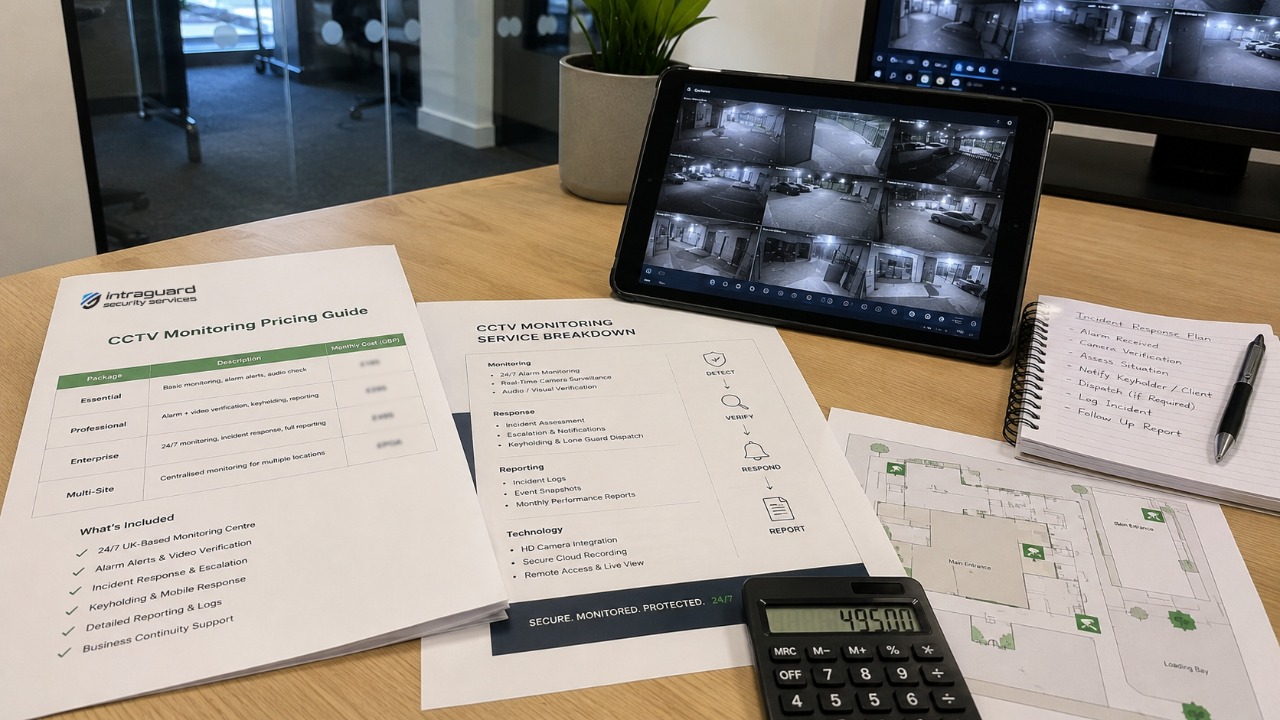
CCTV monitoring is worth the price when it changes the outcome of an incident. Recording only CCTV may give your business evidence the next morning.
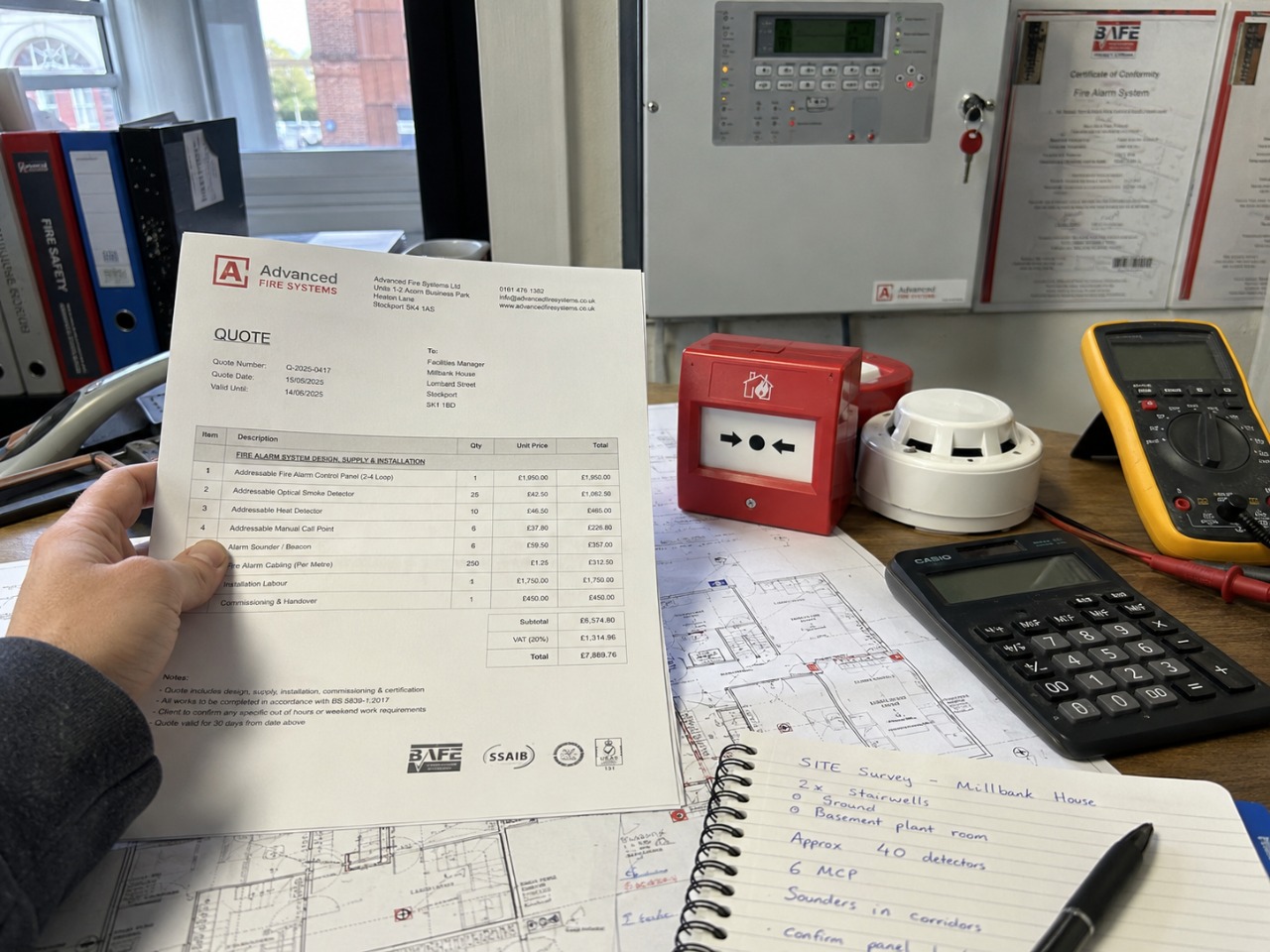
Fire alarm installation prices UK guide for commercial premises. See typical costs, quote factors, hidden fees and what to check before choosing an installer.

Access control systems prevent unauthorised entry by checking a person’s credentials before allowing access. These credentials may include a key card, fob, PIN, mobile credential, biometric scan, or visitor approval.

The UK terror threat level is a national assessment of how likely a terrorist attack is. It does not predict a specific place, time, or target. It gives businesses a warning level so they can prepare properly.

A small refurbishment site may only need patrols or CCTV monitoring. In contrast, a busy London construction project with tools, plant machinery, fuel, scaffolding and materials may need manned guarding or 24/7 cover.