
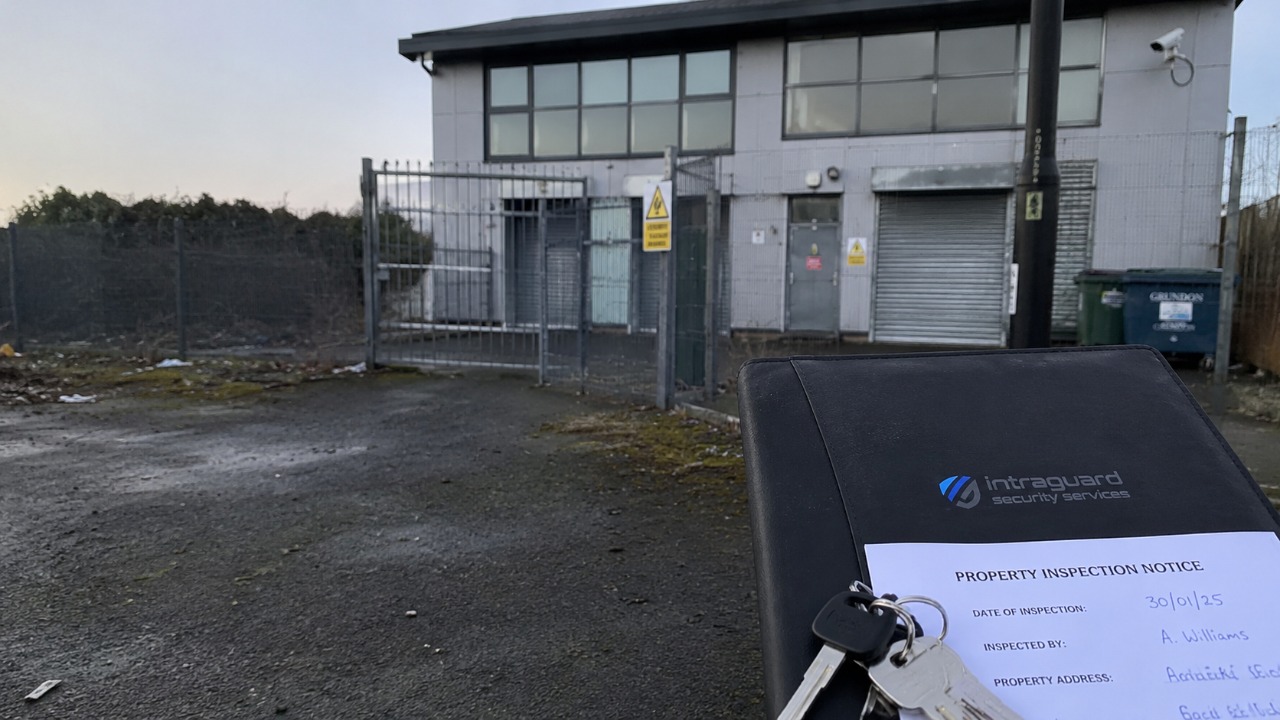
Vacant Property Management: A Complete Guide to Inspections, Risks and Protection
Vacant property management is the coordinated inspection, security, access control, maintenance escalation and reporting used to protect an unoccupied building.

If you are still juggling spreadsheets, WhatsApp messages, paper rotas, and last minute calls to cover shifts, you are not alone. Many UK businesses manage staff the hard way without realising how much time, money, and sanity they are losing. This is exactly where workforce management systems step in and change everything.
Modern businesses, especially those with shift workers, large teams, or compliance requirements, can no longer afford manual scheduling. A smart workforce management solution brings structure, visibility, and control to everyday operations.
Let’s break it all down in a clear, human way and help you decide if it is time to upgrade.
To put it simply, workforce management systems are digital tools that help businesses plan, schedule, track, and optimise their workforce. Instead of managing people manually, these systems automate key tasks like scheduling, attendance, and workforce planning.
A workforce management system usually combines several functions into one platform, including staff management software, time and attendance tracking, and workforce planning software. The goal is to make sure the right people are in the right place at the right time, without chaos.
According to recent industry reports, businesses using workforce management software reduce scheduling errors by over 40 percent and improve staff productivity by nearly 20 percent on average.
Understanding how workforce management works makes it easier to see its value. At the core, these systems collect data and turn it into actionable insights.
Here is how they typically function in day to day operations:
Workforce management systems play a starring role in helping businesses maintain control, stay compliant, and manage labour costs efficiently. They replace error prone manual processes with structured, automated workforce planning.
When comparing workforce management systems vs manual scheduling, the difference is night and day.
Manual scheduling relies heavily on memory, spreadsheets, and constant communication. It is slow, error prone, and stressful.
A modern labour management system automates repetitive tasks, updates schedules instantly, and provides real time visibility. Managers tend to spend less and less time firefighting and more time improving operations.
Businesses that switch from manual scheduling to workforce management software often report saving 5 to 10 hours per week in administrative work alone.
Not all platforms are the same, but the most effective workforce management systems feature:
These features work together to form a complete staff management software ecosystem that scales with your business.
Whether you are growing or already established, workforce management systems for businesses offer flexibility and control.
For small teams, these systems reduce admin and prevent burnout. For enterprises, workforce management systems for large teams become essential for coordination, reporting, and compliance.
Recent data shows that organisations with over 100 employees are three times more likely to adopt workforce management software due to complexity and compliance needs.
Seeing workforce management systems examples helps make things practical.
A retail chain uses workforce management software to forecast busy periods and schedule more staff during peak hours.
A facilities company uses a workforce scheduling system to assign teams across multiple sites efficiently.
A security firm uses a labour management system to manage guard shifts, ensure compliance, and track attendance in real time.
In each case, the system replaces chaos with clarity.
Security operations face unique challenges. Shifts are complex, sites are spread out, and compliance is critical. That is why workforce management systems for security companies are no longer optional.
These systems help with real time guard tracking, shift confirmation, incident reporting, and attendance verification. They also reduce disputes by maintaining accurate records.
For security providers, workforce optimisation directly impacts service quality and client trust.
One of the most common questions is about workforce management systems cost.
Pricing varies depending on features, team size, and deployment type. Most systems operate on a per user monthly model.
On average, UK businesses pay anywhere from £3 to £10 per employee per month. While this might seem like an extra cost, the reduction in overtime, errors, and admin time often delivers a strong return on investment.
The demand for workforce management systems UK wide is rising fast. UK businesses are under increasing pressure to comply with labour regulations while controlling costs.
UK businesses are rapidly adopting digital workforce tools as compliance requirements tighten and labour costs continue to rise. Modern workforce platforms are no longer optional for organisations looking to stay competitive and efficient.
Here is a simple workforce management systems comparison to help visualise the difference between manual methods and automated solutions:
Feature | Manual Scheduling | Workforce Management Systems |
Scheduling accuracy | Low | High |
Time tracking | Manual entries | Automated tracking |
Compliance control | Risky | Built in safeguards |
Workforce optimisation | Limited | Data driven |
Scalability | Poor | Excellent |
Admin time | High | Significantly reduced |
The benefits of workforce management systems go way above convenience.
They improve staff satisfaction through fair scheduling. They reduce costs by controlling overtime. They increase transparency and accountability. And they give managers confidence in decision making.
Businesses that adopt workforce management software often see better retention, stronger compliance, and smoother operations overall.
Still managing staff manually might feel familiar, but it is holding your business back. Studies show that companies using workforce management systems reduce scheduling errors by up to 40 percent and improve productivity by 20 to 25 percent within the first year. That is a big win.
Whether you manage a small team or a large workforce, the right solution brings clarity, control, and calm to daily operations. Fewer mistakes, happier staff, and better compliance all come built in.
At Intraguard, we see firsthand how smarter workforce tools transform operations, especially in security driven environments. The future of workforce management is not manual. It is digital, efficient, and already here.
Don’t stop here, check out our latest blogs packed with actionable insights.
Supply Chain Security Services for Warehouses and Transport
Mobile Patrol Officers Who Keep Your Business Secure Every Hour
Yes, small businesses benefit greatly from workforce management systems by reducing admin work, avoiding scheduling mistakes, and improving staff satisfaction as they grow.
Workforce management systems cost typically ranges from a few pounds per employee per month, depending on features, team size, and level of automation required.
Most businesses find workforce management systems worth it because they save time, reduce costs, improve compliance, and provide better control over staff operations.
The best workforce management system depends on your business size, industry, and needs. The right choice balances scheduling, tracking, reporting, and ease of use.
Vacant property management is the coordinated inspection, security, access control, maintenance escalation and reporting used to protect an unoccupied building.
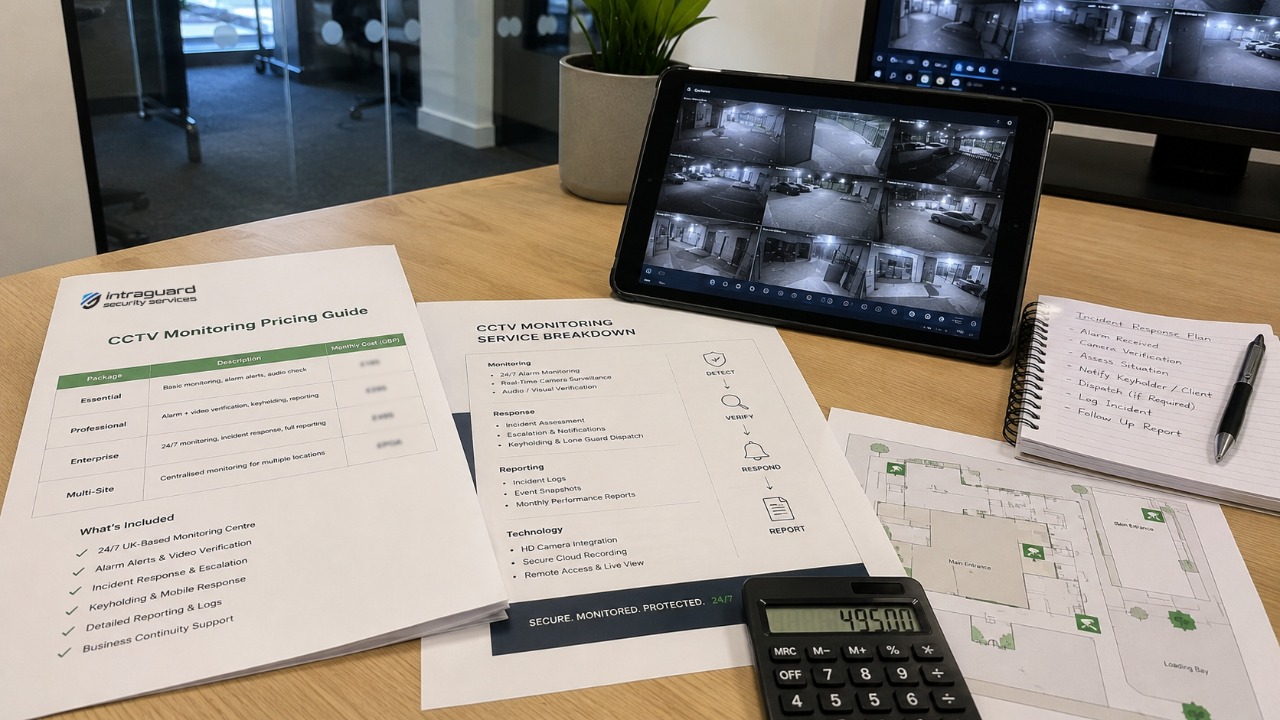
CCTV monitoring is worth the price when it changes the outcome of an incident. Recording only CCTV may give your business evidence the next morning.
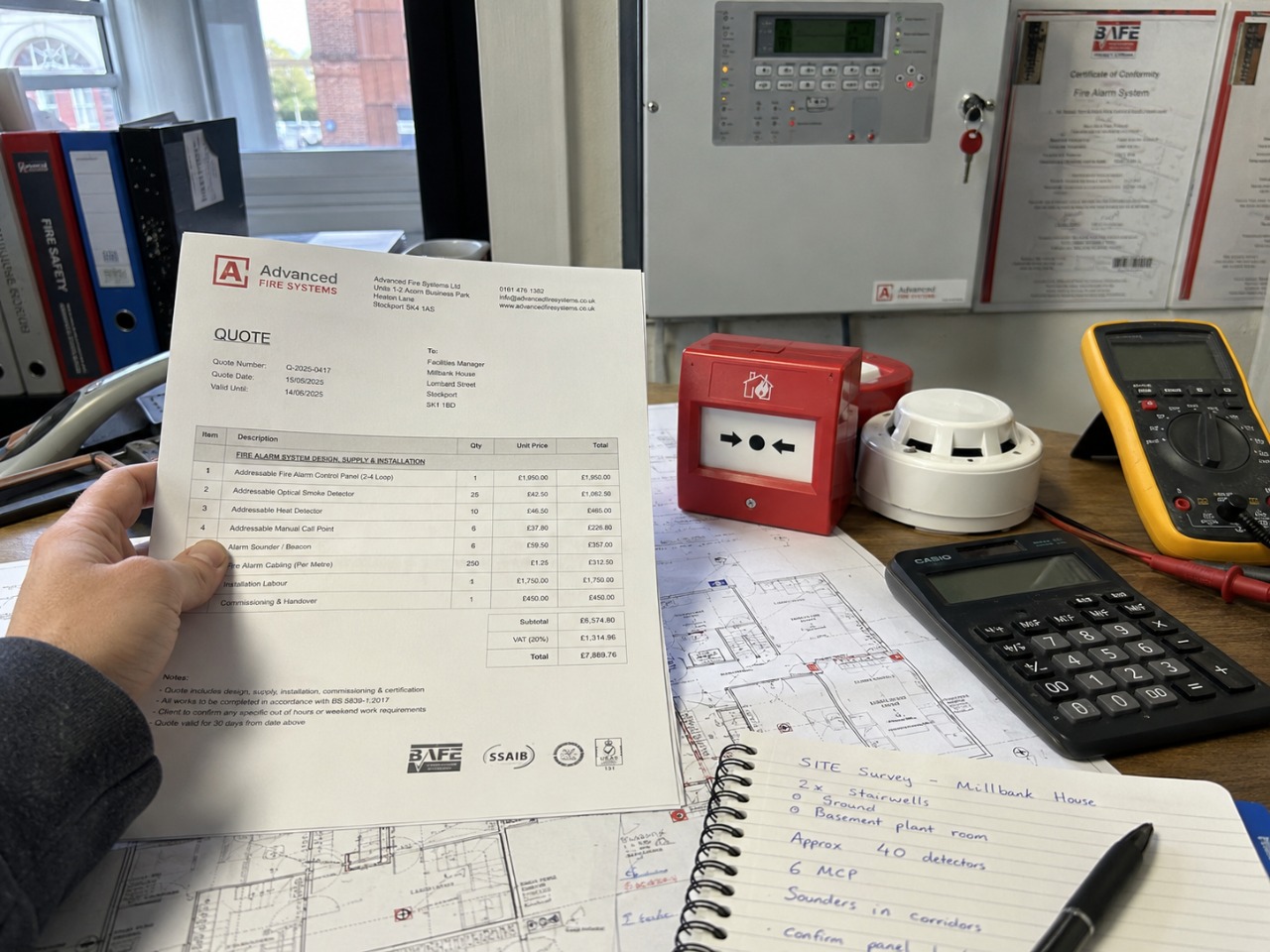
Fire alarm installation prices UK guide for commercial premises. See typical costs, quote factors, hidden fees and what to check before choosing an installer.

Access control systems prevent unauthorised entry by checking a person’s credentials before allowing access. These credentials may include a key card, fob, PIN, mobile credential, biometric scan, or visitor approval.

The UK terror threat level is a national assessment of how likely a terrorist attack is. It does not predict a specific place, time, or target. It gives businesses a warning level so they can prepare properly.

A small refurbishment site may only need patrols or CCTV monitoring. In contrast, a busy London construction project with tools, plant machinery, fuel, scaffolding and materials may need manned guarding or 24/7 cover.