
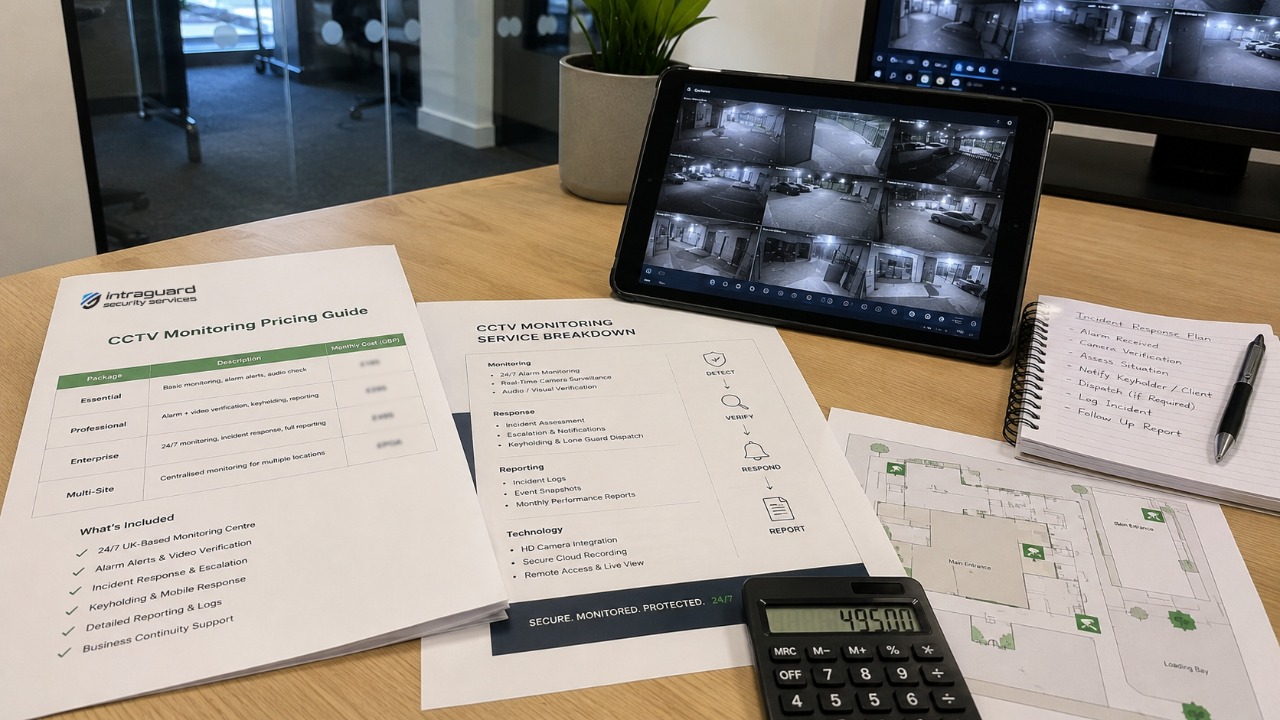
CCTV Monitoring Costs UK 2026: Is It Worth the Price for Businesses?
CCTV monitoring is worth the price when it changes the outcome of an incident. Recording-only CCTV may give your business evidence the next morning.
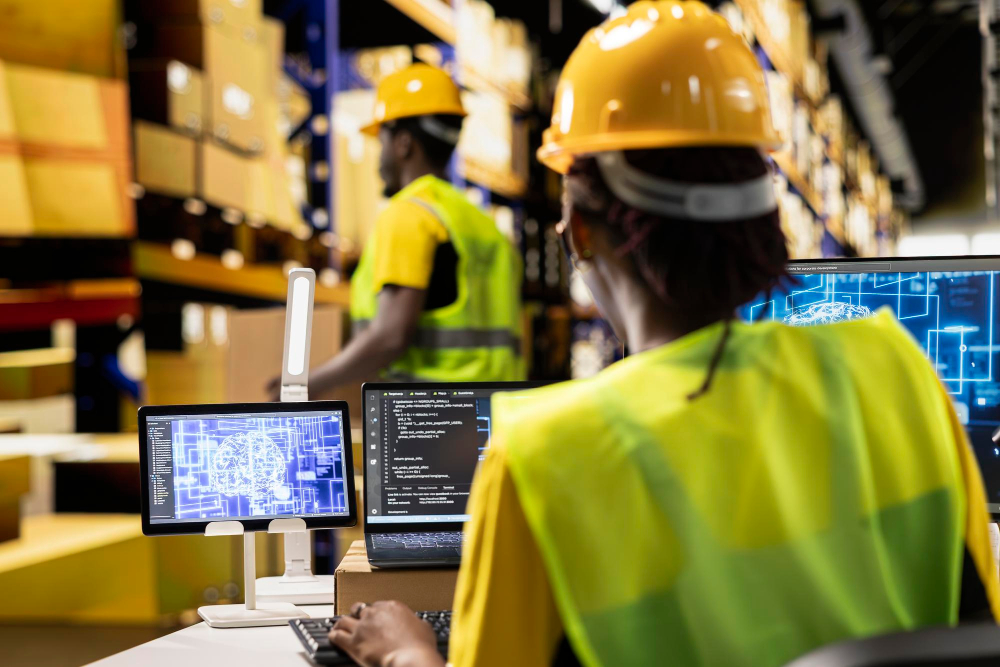
The world of logistics is moving faster than ever, and with that speed comes risk. Warehouses, transport fleets, distribution centres, and cross-docking facilities all face real security challenges every day.
From cargo theft and vandalism to insider breaches and unauthorised access, the entire supply chain is under pressure.
That’s why logistics and distribution security have become a top priority for UK businesses. Whether you manage a busy warehouse in Northampton or a fleet of trucks moving goods nationwide, protecting your people, assets, and cargo is essential to keeping operations running smoothly.
Security is no longer a “nice to have.” It’s a core part of supply chain success.
In recent years, supply chains have faced a wave of new threats. Criminal groups are becoming more organised, and the rise of e-commerce has pushed warehouses and delivery volumes to record highs.
Here are some eye-opening figures:
With risks rising, businesses need a proactive, professional approach to secure their logistics and distribution operations.
Modern supply chains are dealing with faster operations and more complex threats, which is why businesses are turning to smarter, more proactive security solutions. One major trend is 24/7 manned guarding, giving warehouses and distribution centres round-the-clock protection.
Large sites now rely on mobile patrol units to secure yards, parking zones, and transport hubs. Technology is also stepping up, with AI-powered CCTV monitoring that detects unusual behaviour instantly.
At loading bays, vehicle and driver verification has become essential, supported by strict goods-in and goods-out checks to reduce internal shrinkage. Transporting high-value cargo now often includes escort security, while real-time digital incident reporting keeps managers informed.
Together, trained officers and smart tech form today’s strongest Logistics and Distribution Security strategy.
Security risks in warehouses and transport operations come from every angle, and they’re becoming more sophisticated each year. Some threats are caused by external criminal activity, while others stem from internal vulnerabilities or simple operational oversights.
Security risks in warehouses and transport operations come from every angle, and they’re becoming more sophisticated each year.
Some threats are caused by external criminal activity, while others stem from internal vulnerabilities or simple operational oversights.
Cargo theft remains one of the most damaging threats to logistics businesses. Organised groups target trucks, loading bays, storage areas, and even vehicles parked overnight in unsecured yards.
High-demand goods such as electronics, pharmaceuticals, and retail items make warehouses a prime target.
Without strong access control, intruders can easily slip into a warehouse or loading area. This puts both employees and goods at risk and increases the chance of theft, vandalism, or sabotage.
Internal theft often goes unnoticed until stock discrepancies grow. Studies show that over 30% of warehouse shrinkage comes from insider staff members who know the building layout, weak points, and procedures.
Lorries left unattended for even a short time can be tampered with. Fuel siphoning, trailer break-ins, and load theft are common, especially in poorly monitored places like yards and layover points.
Weak gates, damaged fencing, dark corners, and blind spots make it easy for criminals to enter unnoticed. A vulnerable perimeter invites break-ins and delays detection.
When warehouses lack CCTV coverage or active patrols, suspicious activity often goes undetected until after the damage is done. The absence of real-time monitoring leaves critical security gaps.
These growing risks make it clear why logistics businesses depend on professional warehouse security services and transport security teams to protect operations, prevent losses, and maintain a safe working environment.
Warehouses are fast-moving, high-pressure environments where goods are constantly arriving, getting stored, picked, packed, and shipped out again. With so much activity, it’s no surprise that one small security gap can turn into a big problem.
Security officers take charge of access control, checking IDs, logging visitors, and keeping unauthorised people out, a big deal considering nearly 40% of warehouse breaches start at the entry point.
Inside, 24/7 CCTV monitoring with AI analytics spots unusual behaviour instantly, reducing incident response times by up to 60%.
Regular internal patrols keep aisles, fire exits, and storage zones safe, while loading bay supervision helps verify drivers and prevent shipment mix-ups or theft(a common hotspot for losses). And when emergencies happen, trained officers are often the first responders.
Together, these measures create a safer, calmer, and more efficient warehouse where staff feel protected, and theft drops dramatically.
Warehouses and transport fleets play very different roles in the supply chain, which means their security needs aren’t identical.
Below is a simple comparison table that summarises how each type of security service supports the supply chain.
Security Requirement | Warehouse Security Services | Transport Security Services |
Access control | Yes | Limited (used at depots) |
CCTV monitoring | Extensive | Used at yards and loading bays |
Mobile patrols | Internal and perimeter patrols | Yard and roadside patrols |
Driver/cargo verification | Strong | Essential |
Theft prevention | Internal and external threats | Cargo theft prevention on the road |
Escort services | Not required | High-value transport |
Safety and emergency response | Strong | Moderate |
When combined, these services create a protective shield around goods from storage to delivery.
That’s why most logistics businesses invest in both warehouse and transport security to keep their entire supply chain protected.
A Midlands-based distribution centre was struggling with a growing security problem. Over several months, criminals repeatedly targeted its HGV yard, sneaking in during late hours to siphon fuel, tamper with trailers, and steal high-value items.
These incidents weren’t just costly; they were causing delays, insurance headaches, and increasing anxiety among night-shift staff.
Determined to regain control, the company brought in the professionals. Within days, the site was upgraded with full perimeter patrols every 30 minutes, ensuring no blind spots were left unchecked.
A 24/7 gatehouse security team was added to monitor all vehicle entries and exits. Automatic number-plate recognition (ANPR) tightened driver verification, and a redesigned CCTV system eliminated dead zones where criminals previously hid.
The results were dramatic. In just three months, theft dropped by 80%, fuel loss incidents fell to zero, and employee confidence significantly improved.
This real-life turnaround shows how the right security measures can completely transform a distribution centre’s safety and operational reliability.
A secure supply chain isn’t just a “nice addition” anymore; it’s a must-have for any warehouse or transport operation that wants to stay competitive. With cargo theft costing UK businesses over £66 million a year, and logistics crime rising by 42% since 2020, investing in strong security is simply smart business.
The good news? When the right systems and people are in place, losses can drop by up to 80%, just like the real-life example we explored earlier.
That’s exactly where Intraguard steps in. With expert officers, smart technology, and tailored security plans, Intraguard helps warehouses and transport teams stay safe, efficient, and always one step ahead. Your supply chain deserves nothing less.
Don’t stop here, check out our latest blogs packed with actionable insights.
How AI CCTV Reduces Crime and Protects Your Business
How Vacant Property Security in Wigan Reduces Insurance Costs
It refers to specialised security services designed to protect warehouses, transport fleets, cargo, and distribution centres from theft, threats, intrusions, and safety risks.
Warehouses handle high-value stock, and without access control, CCTV, and patrols, they become easy targets for theft and unauthorised access.
Transport security monitors vehicles at depots, verifies drivers, checks trailers, and offers escort services for high-value cargo. This reduces roadside theft and tampering.
Yes, trained officers assist with fire alarms, health and safety protocols, medical incidents, and evacuation procedures.
Absolutely. Reducing theft alone can save businesses thousands annually. It also improves staff safety, operational efficiency, and customer trust.
CCTV monitoring is worth the price when it changes the outcome of an incident. Recording-only CCTV may give your business evidence the next morning.
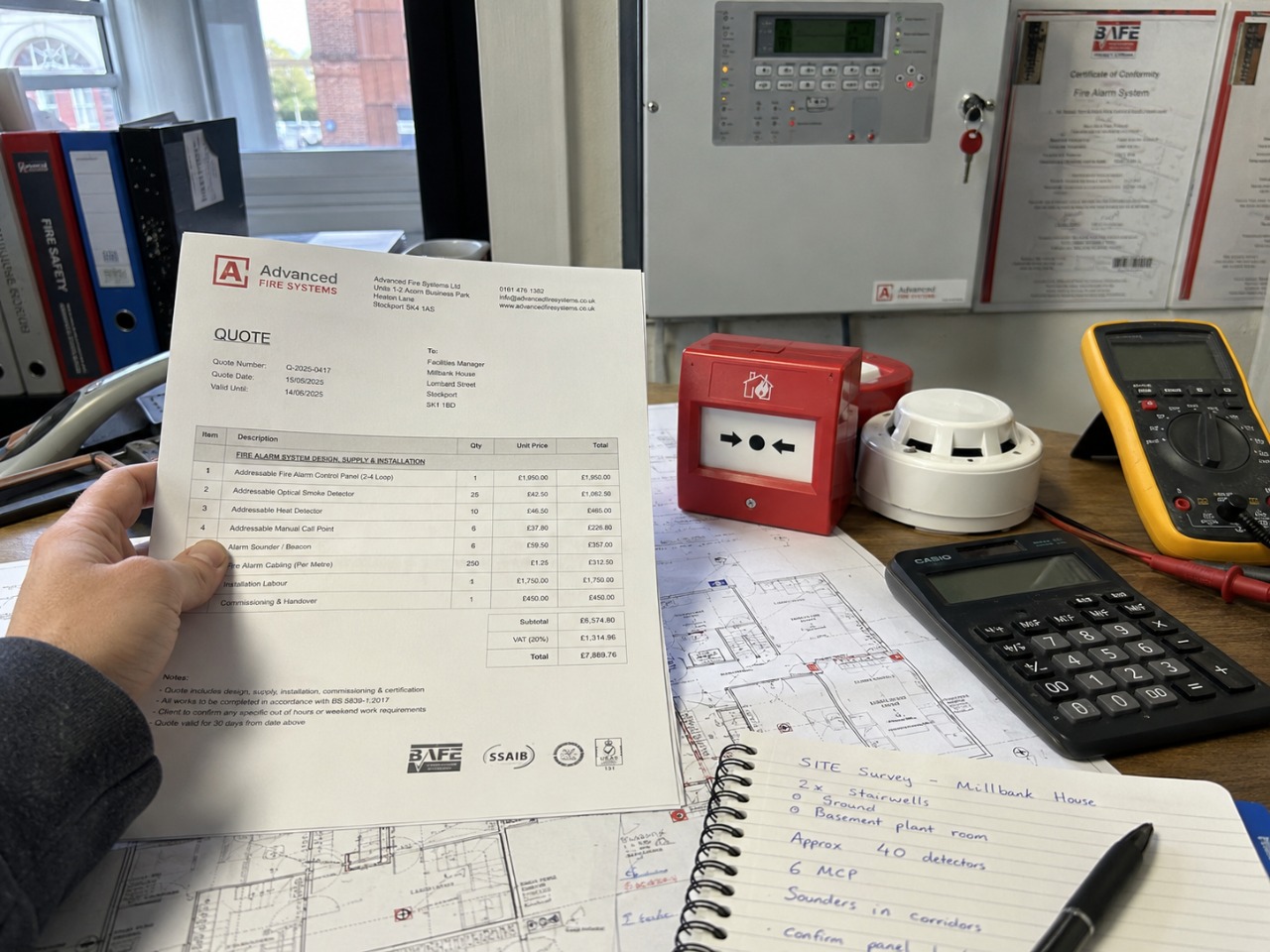
Fire alarm installation prices UK guide for commercial premises. See typical costs, quote factors, hidden fees and what to check before choosing an installer.
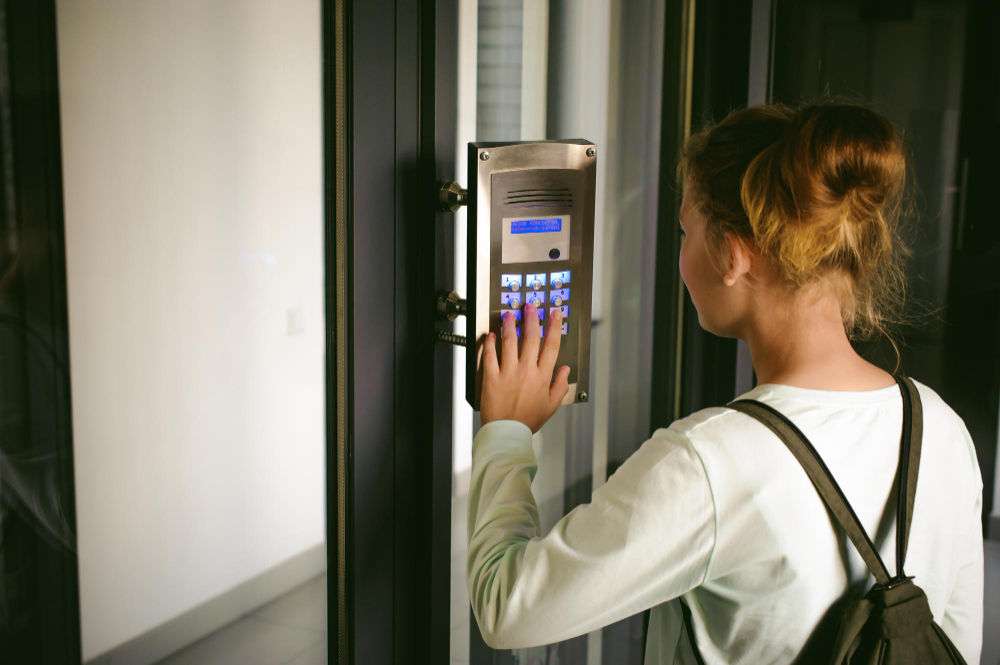
Access control systems prevent unauthorised entry by checking a person’s credentials before allowing access. These credentials may include a key card, fob, PIN, mobile credential, biometric scan, or visitor approval.

The UK terror threat level is a national assessment of how likely a terrorist attack is. It does not predict a specific place, time, or target. It gives businesses a warning level so they can prepare properly.

A small refurbishment site may only need patrols or CCTV monitoring. In contrast, a busy London construction project with tools, plant machinery, fuel, scaffolding and materials may need manned guarding or 24/7 cover.

For UK businesses, the key questions are simple: does Martyn’s Law apply, which tier are you in, what procedures do you need, and how do security measures like CCTV, access control, guards, lockdown plans, and evacuation routes fit in?